Answering your search for reliable protection, this guide highlights gloves designed to resist paint thinner and similar solvents. Ideal buyers include hobbyists, automotive enthusiasts, lab or workshop technicians, and homeowners tackling greasy or chemical-heavy tasks. The selected products balance chemical resistance, dexterity, and comfort for extended use. Below is a quick summary table of the featured gloves to help you compare at a glance.
| Product | Material | Thickness | Best For | Limitations |
|---|---|---|---|---|
| ThxToms Chemical Resistant Nitrile | Nitrile | 15 mil | Heavy-duty solvent handling | Non-latex; may feel stiff initially |
| NEOTRIL 8 Mil Nitrile | Nitrile | 8 mil | Thick, puncture-resistant tasks | Textured grip may wear with excess oil |
| Wells Lamont PVC Coated | PVC | 12 inch cuff | Chemical splash protection | Bulkier feel for fine manipulation |
| ANBOSON 10 Mil Nitrile | Nitrile | 10 mil | Heavy-duty grip and chemical resistance | Bulkier; fit varies by hand size |
| ROYAKI Chemical Resistant Gloves | Rubber (latex-free) | About 12.2 inches | General chemical exposure and alkalis | May run large depending on size |
ThxToms Chemical Resistant Nitrile Gloves

Best for: Heavy-duty solvent handling where long wear and robust protection are needed. The 15 mil nitrile thickness provides a strong chemical barrier against industrial solvents, acids, and oils. Suitable for lab work or messy cleaning tasks where glove integrity matters. The diamond-textured palm improves grip, reducing slips when handling oily tools. The latex-free composition minimizes irritation for sensitive skin. A key caveat is that thicker gloves can reduce tactile sensitivity and dexterity in very fine manipulation tasks.
NEOTRIL 8 Mil Heavy Duty Disposable Nitrile Gloves

Best for: Tasks requiring a strong barrier against grease, gasoline, and solvents. The 8 mil thickness offers superior puncture resistance with a raised diamond texture for a secure grip. They’re latex-free and powder-free, which helps minimize irritation and keep cleanup simple. Note that being disposable, they’re designed for single-use scenarios rather than repeated wear in extended projects.
Wells Lamont Heavy Duty PVC Coated Gloves

Best for: Chemical splash protection and abrasion resistance in wet or oily conditions. The PVC coating defends against a range of cleaners, solvents, and diluted acids or bases. They also remain flexible in cold conditions, making them suitable for winter shop environments. A limitation is that they may feel bulkier for tasks requiring precise finger control or fine manipulation.
ANBOSON 10 Mil Diamond Textured Nitrile Gloves
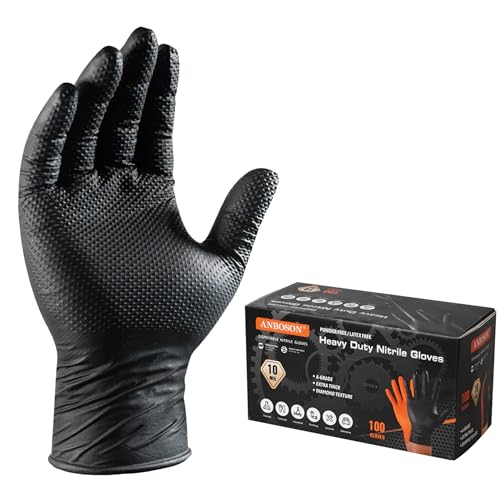
Best for: Extra-thick nitrile with enhanced puncture resistance and a true-to-size fit. The 3D diamond texture improves friction for precise handling, making them a solid choice for auto repair or heavy-duty painting tasks where grip matters. They are latex-free, reducing allergy risk. Choose this if you need higher chemical resistance and durability, but expect less tactile finesse than thinner gloves.
ROYAKI Chemical Resistant Gloves
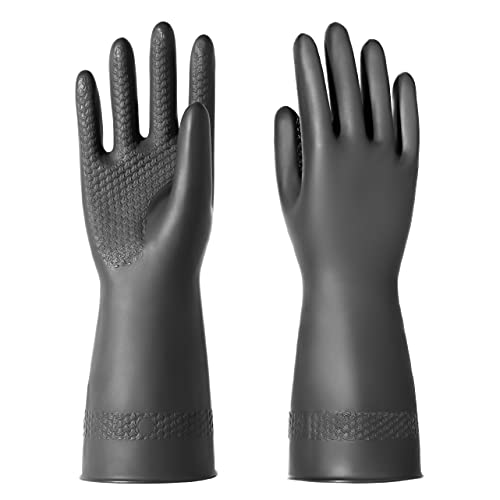
Best for: General chemical exposure, including alkalis and alcohols, with good grip and flexibility. These gloves are designed to protect hands from corrosion and provide a comfortable fit through a flexible, ribbed pattern. Limitations include size variability; verify the medium size fits your hand well to avoid slipping or fatigue during longer tasks.
Buying Guide: Key Considerations For Painting Thinner And Solvents
– Protective material: Nitrile resists many organic solvents and oils better than latex; PVC offers excellent splash protection but can be bulkier.
– Thickness: Thicker gloves (8–15 mil) increase chemical resistance and puncture protection but may reduce tactile feel; thinner gloves (6 mil) enhance dexterity but offer less chemical resistance.
– Texture and grip: Raised diamond textures improve grip on wet or oily surfaces; consider touchscreen compatibility if you need to operate devices without removing gloves.
– Fit and comfort: Look for gloves in your common size (S–XL); a snug fit reduces fatigue and improves precision for extended tasks.
– Allergies and materials: Latex-free options minimize latex-related irritation. Powder-free gloves keep workspaces cleaner.
– Durability and reuse: Disposable nitrile gloves are convenient, while heavy-duty PVC or thicker nitrile can be washed or reused in some settings. Check local safety guidelines for reuse recommendations.
– Task environment: For cold environments, consider gloves with rubber or PVC coatings that maintain flexibility in low temperatures.
– Cautions: Avoid using gloves beyond their chemical resistance limits; replace when gloves become torn, discolored, or degraded by solvents.
FAQ
– Q: Are nitrile gloves suitable for paint thinners? A: Yes, nitrile gloves offer good chemical resistance to many solvents found in paint thinners and related products.
– Q: Should I choose thicker gloves for painting tasks? A: Thicker gloves provide greater protection against solvents and punctures but reduce dexterity; balance protection with the need for precision.
– Q: Are latex-free gloves safer for sensitive skin? A: Yes, latex-free options reduce allergy risk and are suitable for sensitive users.
– Q: How often should gloves be replaced when working with solvents? A: Replace gloves if they show signs of wear, permeation, or chemical staining to maintain protection.
– Q: Can I reuse disposable nitrile gloves? A: Reuse is not generally recommended; use fresh gloves for each task to ensure consistent protection.
– Q: Do textured surfaces improve handling with paint thinner? A: Yes, textured or diamond-pattern gloves can improve grip on slick or oily surfaces.
These selections provide a balanced approach for handling paint thinner and related solvents. Each option emphasizes chemical resistance, grip, and comfort to support safer, more efficient work in automotive, workshop, or lab settings.