Granite surfaces can suffer from rust stains caused by mineral-rich water, iron contamination, or metal contact. This guide highlights proven rust stain removers that are suited for granite and other natural stones, while considering ease of use, safety, and effectiveness. Below you’ll find five top picks with quick details to help you choose the right product for stubborn rust spots on stone countertops, tiles, and more.
| Product | Brand | Typical Use | Stone Compatibility |
|---|---|---|---|
| CLR Brands Calcium, Lime & Rust Remover | CLR | Rust and mineral stains on multiple surfaces | Stainless steel, tile, concrete, vinyl siding, granite (use as directed) |
| Iron OUT Rust Stain Remover Spray Gel | IRON OUT | Heavy-duty rust stains, vertical surfaces | Bathrooms, kitchens, granite-friendly when used properly |
| Skylarlife Multi-purpose Stone Cleaning Powder | SKYLAR LIFE | Rust stains and other marks on natural stone | Marble, granite, quartz, and other non-porous surfaces |
| Bmkousg Rust Stain Remover Marble Cleaner Tile Rust Remover Granite Care Agent | Bmkousg | Rust removal on stone like granite and marble | Granite, marble, tiles |
| Stone Care International Stone Stain Remover | Stone Care International | Stains from food, coffee, wine, ink, mildew, oil | Natural stone, including granite |
CLR Brands Calcium, Lime & Rust Remover

CLR’s multi-surface remover targets calcium, lime, and rust deposits with rapid action. It is designed for bathrooms, kitchens, dishwashers, coffee pots, and even exterior siding. The formula can tackle rust stains when used with proper surface testing and direction adherence. When applied to granite, always follow manufacturer guidelines to avoid etching or damage to sealants.
Iron OUT Rust Stain Remover Spray Gel

IRON OUT offers a gel that clings to surfaces to dissolve rust stains on contact, reducing scrubbing. It’s positioned for vertical surfaces and difficult-to-reach areas, making it a candidate for granite backsplashes or countertops with embedded rust marks. Use as directed to ensure compatibility with stone finishes and to protect sealants.
Skylarlife Stone Cleaning Powder

Skylarlife’s natural stone stain remover powder is described as a heavy-duty cleaner for rust stains and other marks on marble, granite, quartz, and more. It’s marketed for use on non-porous surfaces, including countertops and tiles, and can be a flexible option when you need a powder-based approach for spot rust removal. Always perform a small test in an inconspicuous area first.
Bmkousg Rust Stain Remover Marble Cleaner Tile Rust Remover Granite Care Agent
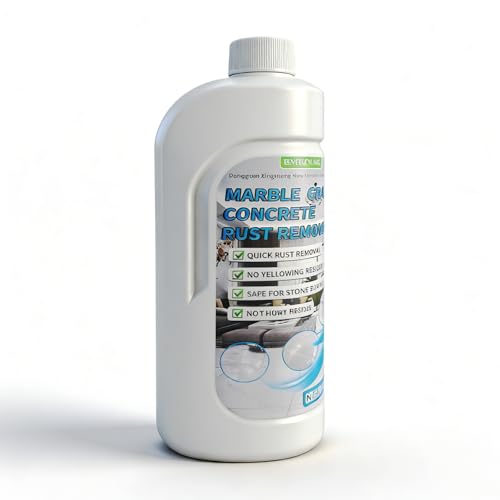
This stone care formula emphasizes its applicability on granite, marble, and tiles. It claims to remove rust stains effectively without damaging surface gloss, using a process that involves applying, waiting, and scrubbing with a brush. It is suitable for a range of stone surfaces but, as with all stone cleaners, test first on a hidden area and follow up with a proper sealing routine if needed.
Stone Care International Stone Stain Remover

Stone Care International’s product targets common stains on natural stone, including food, coffee, wine, ink, mildew, and oils. It’s positioned as a user-friendly option for granite surfaces, with emphasis on safe stain removal without compromising stone integrity. As with rust-focused products, verify compatibility with your granite’s sealer and finish before use.
Buying Guide: Key Purchase Considerations for Granite Rust Stain Removers
- Stone compatibility: Check whether the formula is suitable for granite and does not require aggressive scrubbing that could dull or etch the surface. Look for products specifically labeled for natural stone or granite.
- Stain type and severity: For deep rust stains, gel-based or paste formulas that cling to surfaces can provide longer contact time. Powdered cleaners may require mixing with a liquid and can be effective for spot staining.
- Application method: Some cleaners require waiting periods, brushing, and multiple applications. Consider your tolerance for manual labor and any safety precautions (gloves, ventilation).
- Surface sealant considerations: Rust removal can affect sealer integrity. Always test in an inconspicuous area and reseal granite after treatment if recommended by the product or stone professional.
- Sealed vs unsealed granite: Unsealed stone is more prone to penetration. If your granite is recently sealed, follow manufacturer directions about dwell time and rinsing to avoid residue.
- Ventilation and safety: Many rust removers contain strong chemicals. Use in a well-ventilated area and follow all safety instructions, including protective gear where advised.
- Alternative approaches: For light stains, non-acidic or stone-safe cleaners might suffice. For stubborn rust, you may consider professional stone care services to minimize risk to the stone.
- Maintenance after removal: After staining is removed, clean the area with a stone-safe cleaner and consider re-sealing to protect against future rust deposits.