For contractors and DIYers tackling attic or wall cavity insulation, choosing the right high-powered insulation vacuum bag can dramatically boost efficiency, reduce dust, and prevent bag tears. This guide highlights five top options, clarifies who each bag is best for, and explains why they stand out. The emphasis is on durability, capacity, and compatibility with common vacuum systems. Whether you’re removing loose-fill fiberglass, rock wool, or cellulose, these bags help keep jobs cleaner and quicker.
The table below compares the key features of the selected bags to help you decide at a glance:
- Bag Size and Capacity
- Material Strength and Dust Control
- Compatibility with standard 10-inch vacuum hoses
- Best use case and notable limitations
RAM 10-Bag Heavy-Duty Insulation Vacuum Bundle

Usage: Removing loose-fill fiberglass, rock wool, or cellulose insulation from attics or wall cavities. Bag size: 6 ft x 4 ft, holds about 75 cubic feet or 450 lbs. Notable for the lowest-dust filter and easy-fill spout, designed as the contractor’s number one bag choice. Fits all insulation vacuums and hoses with 10 inches or less diameter.
Best for: Large jobs with heavy debris where maximum capacity and tear resistance matter most. This RAM bundle is ideal for professional contractors handling bulky or dense insulation loads and who need a robust, tear-proof bag system.
Why selected: Combines a 6′ x 4′ footprint with a high load capacity and a reinforced design to minimize bag ruptures during heavy removal work. A caution: overfilling can increase weight and reduce maneuverability.
RAM ECO+ 7′ x 4′ Heavy-Duty Bags (10 Pack)

Usage: Removing loose-fill fiberglass, cellulose, or rockwool insulation from attics or wall cavities. Bag size: 7′ x 4′, holds 88 cubic feet or 400 lbs. Fabric: 100% XHD POLY, 2.4 fabric strength.
Best for: Larger attic projects where you need a balance of capacity and durability, with the convenience of a multi-pack for ongoing jobs.
Why selected: The larger footprint improves throughput on frequent removal cycles. Consider this if your work is consistently at or near the bag’s full capacity. Limitation: heavier bags can be harder to move when full.
Pangda 5 Pack 6×4 ft Insulation Removal Bags

Usage: 6′ x 4′ bags holding up to 75 cubic feet or 300 lbs. Compatible with machines that have a 10-inch opening. Features UV exposure guidance and durable construction. Includes a bulk 5-pack for multiple projects.
Best for: Budget-conscious crews or renovation teams working on several projects with a need for extra bags in stock.
Why selected: Provides a practical balance of capacity and price across a five-pack. Caution: UV exposure can degrade bags over time; store away from direct sunlight to extend lifespan.
RAM Heavy-Duty 6′ x 4′ Bags (Single Pack)
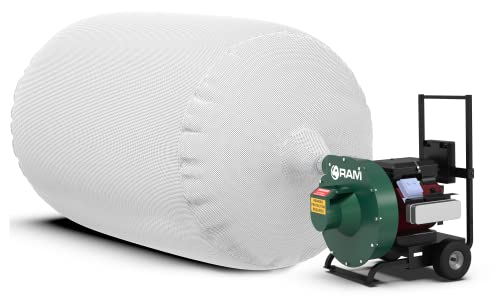
Usage: White 2.4 vacuum insulated bags designed for removal of loose-fill fiberglass or cellulose. Bag size: 6′ x 4′, holds approximately 75 cubic feet, compatible with hoses up to 10 inches diameter.
Best for: Standard, reliable bags when you want a straightforward, heavy-duty option for everyday insulation removal.
Why selected: Known for tear resistance and secure containment, with a straightforward setup. Caution: overfilling can make the bag heavy and harder to move safely.
BulldogVacBags Insulation Removal Bags

Product features: Durable woven mesh polypropylene with high-tensile strength. The oversized opening supports removing large debris or waste. Longer bag design aids in efficient transport and stacking for on-site work.
Best for: Projects requiring robust handling of bulky debris and easier transport between job sites.
Why selected: The brand emphasizes durability and practical transport benefits. Limitation: May be heavier when filled due to larger opening and capacity.
Tough Bags Insulation Vacuum Bag
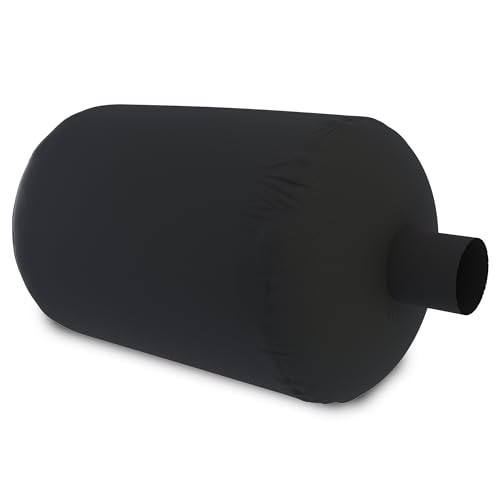
Product: One heavy-duty bag, 6′ x 4′ with a universal 10-inch collar. Capable of holding about 75 sq ft or up to 450 lbs of loose insulation per bag. Built to withstand tearing and punctures in demanding attic removal jobs.
Best for: Professional crews needing a single, highly reliable bag with universal compatibility across major vacuum machines.
Why selected: The universal collar and strong construction make it a versatile option for varied machine setups. Caution: Always monitor bag fullness to avoid strain or overfilling.
Buying Guide: Key Purchase Considerations
- What capacity do I need? If you work on large attics or multiple rooms in one day, choose bags that hold 75–88 cubic feet or about 400–450 lbs per bag to maximize efficiency.
- Is tear resistance a priority? For dense or fibrous materials, select bags described as tear-proof or heavy-duty with reinforced fabrics and robust construction.
- What about dust control? Bags featuring low-dust filters help keep the work area cleaner and reduce operator exposure to insulation fibers.
- Hose compatibility matters. Ensure the bag has a universal 10-inch collar or fits your specific vacuum hose diameter to avoid leaks or fit issues.
- Storage and longevity. Keep bags out of direct sunlight. UV exposure can degrade materials over time, reducing bag performance on future projects.
- Number of bags needed. If you have a multi-project workflow, consider multi-packs to avoid running low mid-job and to streamline inventory management.
FAQ
What makes a bag suitable for high-powered insulation removal?
Durable material, ample capacity, and a secure seal that prevents tearing and minimizes dust during heavy suction. Compatibility with common vacuums is essential.
Are there bags better for dust control than others?
Yes. Bags advertised with low-dust filters or tear-resistant fabrics are designed to minimize dust dispersion during disposal.
How do I prevent tearing during use?
Avoid overfilling beyond the bag’s capacity, use bags rated for the insulation type you remove, and ensure proper hose fit to reduce stress on the bag seams.
Should I buy a multi-pack or single bag?
Choose a multi-pack if you run multiple projects or need frequent replacements. If you only infrequently remove insulation, a single high-quality bag may suffice.
What is the best bag for large, bulky projects?
Look for bags with wider dimensions (6′ x 4′ or 7′ x 4′) and reinforced construction designed to hold heavier loads and fit standard vacuums.
Can bags be used with any insulation type?
Yes, most 6′ x 4′ or 7′ x 4′ bags support loose-fill fiberglass, cellulose, and rock wool, but confirm compatibility with your vacuum and collar size before purchasing.