Enzyme-based household products use beneficial bacteria and enzymes to digest organic wastes, stains, and odors. These options are often ideal for homes seeking natural cleaning power without harsh chemicals. This guide highlights five enzyme-rich products and explains who should buy each one. The top picks target odor control, stain removal, and septic-system maintenance.
Summary table of selected products:
| Product | Main Use | |
|---|---|---|
| Walex Bio-Active Septic Tank Treatment | Septic tank digestion and odor control | Septic system owners needing backflow prevention |
| ECOS Window Cleaner With Vinegar | Streak-free glass cleaning | Homes seeking enzyme-based surface cleaners |
| Biokleen Bac-Out Stain Remover | Enzymatic stain and odor removal | Pet households and fabric care |
| NuTank Septic Tank Treatment | Septic-safe enzyme packets | Monthly septic maintenance |
| Pro-Enzyme Laundry Detergent Powder | Activewear and general laundry with enzymes | Clothing with odors and tough soils |
Walex Bio-Active Septic Tank Treatment

Walex combines billions of bacteria and enzymes to digest waste such as toilet paper, fats, oils, and proteins. This septic-tank cleaner liquefies solids and helps prevent backups and costly repairs by supporting healthy bacteria in the tank and drain field. It also aims to eliminate odors and restore balance inside the septic system. Best for homeowners who rely on septic systems and want ongoing odor control and backup prevention. Caution: this product is designed for septic systems and should be used per instructions to avoid over- or under-treatment.
ECOS Window Cleaner With Vinegar

This 22-ounce, ammonia-free cleaner uses vinegar-based chemistry to deliver a streak-free shine on glass, chrome, and other surfaces. It is safe for plastics and window films and designed to be compatible with septic and greywater systems. Best for households seeking a natural, enzyme-assisted cleaner that removes grime without harsh fumes. Choose this if you want a general-purpose, septic-friendly cleaner for frequent glass and mirror cleaning. Limitation: not a heavy-duty degreaser for extremely oily grime.
Biokleen Bac-Out Stain Remover (2 Pack)

Biokleen Bac-Out uses a bio-active formula with live enzyme cultures to breakdown organic material from stains and odors. It’s designed for laundry, diapers, carpets, and more, with ready-to-use strength. Best for pet-related odors and household stains where a natural, enzyme-powered solution is preferred. Limitation: performance may vary on very entrenched stains; follow application directions for best results.
Pro-Enzyme Laundry Detergent Powder
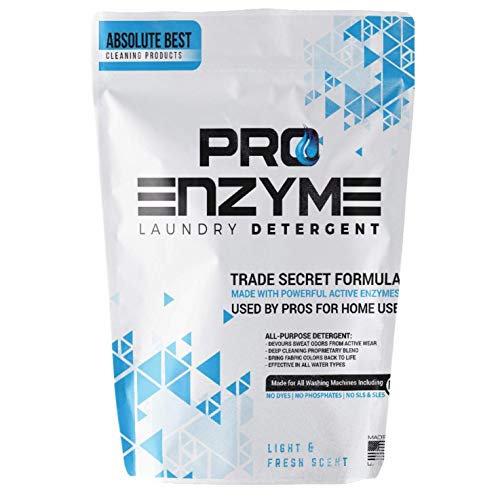
This plant-based, enzyme-powered detergent is designed to remove sweat odors from activewear and a wide range of fabrics. It’s compatible with all machines, including high-efficiency models, and uses citrus-derived scents rather than artificial fragrances. Best for athletic wear and households seeking a natural solution for odor and soil removal in laundry. Caution: contains enzymes that can degrade certain fabrics if used improperly; always test on delicate fabrics first.
Buying Guide
What to look for when choosing enzyme-based household products:
- Purpose and setting: Choose products formulated for septic systems if you rely on a septic tank, or pick laundry- or surface-focused cleaners for everyday use.
- Enzyme types: Look for products that clearly specify the enzyme families (proteases, amylases, lipases) and how they target stains, fats, proteins, or odors.
- Live cultures vs. enzymes: Some cleaners contain live bacterial cultures; others emphasize enzymes. Both can work, but the mechanism differs—biocultures colonize over time, while enzymes act immediately on organic matter.
- Surface compatibility: Check whether a cleaner is safe for septic systems, plastics, fabrics, and specific surfaces to prevent damage or residue.
- Concentration and usage: Consider ready-to-use versus concentrate formats and whether monthly or routine applications fit your cleaning schedule.
How to use enzyme cleaners effectively
Apply as directed, allow sufficient contact time for enzymes to act, and store products away from extreme heat. For septic products, follow the manufacturer’s schedule to maintain balanced bacteria and enzymes in the system.
Choosing between products for households with pets or children
Enzyme-based cleaners are often gentler than harsh chemical formulas. For homes with pets or kids, favor non-toxic, biodegradable formulations and test on inconspicuous areas first to prevent staining or irritation.
FAQ
- What makes enzyme cleaners different from regular cleaners? Enzyme cleaners use biological agents to break down organic matter, often delivering odor removal and stain removal at the source rather than masking scents.
- Are enzyme products safe for septic systems? Many are designed for septic compatibility, but always confirm product guidance and avoid overuse that could upset the system’s balance.
- Can enzyme cleaners be used on all surfaces? Not always. Check the label for surface compatibility, especially on delicate fabrics, wood finishes, or coated surfaces.
- Do enzyme products require rinsing? Some do not require rinsing, while others may need a wipe-down after treatment. Follow the specific instructions on each product.
- Are enzyme cleaners effective on tough odors? Yes, several enzyme formulas target odor-causing organic material, offering long-lasting odor control when used regularly.
- Can these products replace traditional cleaners? For many households, enzyme cleaners supplement standard cleaning routines, especially for stains, odors, and septic maintenance.