Hydrogen peroxide glass cleaners offer a non-streaking, chemical-friendly option for clear, shiny windows and mirrors. This guide highlights five top picks, explains who each product is best for, and shows how to use them safely on glass and other surfaces. Ideal for homeowners, renters, and small offices wanting an effective, subtle cleaner without chlorine bleach. Below is a quick buying summary to help you compare options at a glance.
| Product | Best For | Notes |
|---|---|---|
| Essential Oxygen Food Grade Hydrogen Peroxide | General home cleaning, glass, countertops | Food-grade, versatile for surfaces and stain removal |
| LEADER Hydrogen Peroxide Spray Bottle | First aid kits, everyday sprayer use | 3% solution, convenient non-aerosol spray |
| GreenFist Hydrogen Peroxide All Purpose Cleaner | All-purpose surface cleaner including glass | Orange scent, kid/pet safe when used as directed |
| Lysol Cleaner Hydrogen Peroxide Multi-Purpose | Multipurpose spray for home cleaning | Pleasing citrus scent, no chlorine |
| Epic Medical Supply 12% Food Grade Hydrogen Peroxide | Stubborn stains, deep cleaning, glass when diluted | High concentration; requires proper dilution |
LEADER Hydrogen Peroxide Spray Bottle First Aid Antiseptic

Best for quick, targeted disinfection and first-aid use. This 3% hydrogen peroxide solution comes in a convenient non-aerosol spray bottle, allowing even coverage on surfaces and skin. The packaging and spray mechanism are designed for easy handling, making it a practical choice for bathrooms, kitchens, and small surface areas where you want to avoid aerosols or splashes. A good pick for households needing a simple disinfectant spray for minor cuts, scrapes, or routine cleaning.
Who it’s best for: small households or offices seeking a ready-to-use, non-aerosol spray for everyday disinfection and first-aid readiness. Why selected: reliable 3% formula, easy spray application, and broad disinfectant capabilities against bacteria, virus, and fungi. Caution: avoid contact with eyes; test on delicate surfaces to prevent dulling or residue if used excessively.
Essential Oxygen Food Grade Hydrogen Peroxide

Best for consumers seeking a versatile, food-grade option that doubles as a glass cleaner and surface disinfectant. This 3% USP hydrogen peroxide is free of stabilizers and additives, promoting safer use around food prep areas, kitchens, and bathrooms. The product lists multiple uses—from cleaning counters and cutting boards to freshening baby gear and pets-related areas—making it a flexible staple for a consumer-focused cleaning routine.
Who it’s best for: households prioritizing a pure, additive-free cleaner for multiple tasks, including kitchen surfaces and glass. Why selected: broad applicability, food-grade purity, and absence of stabilizers. Caution: as with all hydrogen peroxide products, avoid prolonged contact with porous surfaces and always test on an inconspicuous area first.
Clorox Healthcare Hydrogen Peroxide Cleaner Disinfectant
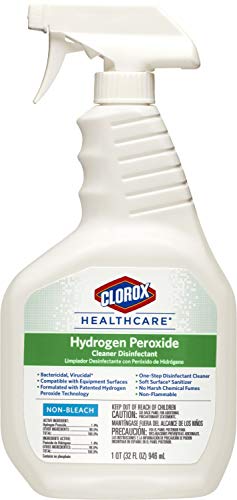
Best for facility-grade cleaning with fast disinfection times. This formula is designed to kill a broad spectrum of pathogens quickly, including strains that cause healthcare-associated infections. While suitable for hard surfaces and some soft surfaces, it is often chosen for spaces requiring a higher level of cleanliness, such as clinics or shared facilities. It supports quick turnover and reliable results where hygiene is critical.
Who it’s best for: facilities, schools, or offices needing a robust, rapid-acting disinfectant. Why selected: demonstrated broad-spectrum efficacy and fast kill times. Caution: check surface compatibility and follow usage directions to minimize any residue on sensitive fabrics or coatings.
Lysol Cleaner Hydrogen Peroxide Multi-Purpose Cleaner Spray
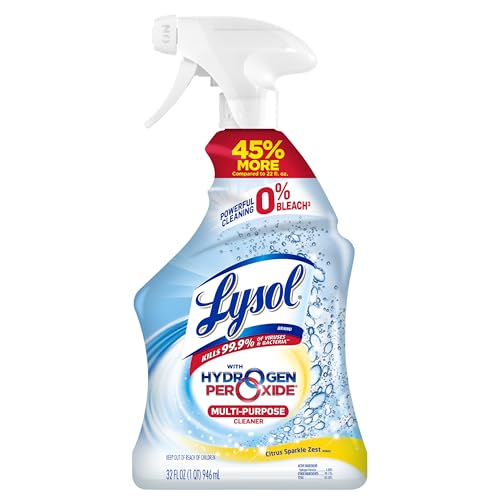
Best for a citrus-scented, all-purpose cleaner that avoids chlorine bleach. This Lysol product uses hydrogen peroxide as its active disinfectant and is marketed for general home cleaning tasks. It is well-suited for kitchens, bathrooms, and high-traffic areas where a fresh scent and quick cleaning cycle are desirable. It provides a balance between disinfection and everyday cleaning performance.
Who it’s best for: households wanting a pleasant-smelling, all-purpose cleaner that can handle glass, counters, and fixtures. Why selected: consumer-friendly formulation, odor control, and compatibility with many household surfaces. Caution: avoid use on delicate or untreated stone surfaces unless the label specifies compatibility.
Clorox Healthcare Hydrogen Peroxide Cleaner Disinfectant Refill

Best for replenishing existing cleaning systems with a hospital-grade disinfection option. This refill keeps healthcare-grade disinfection accessible, supporting ongoing maintenance in facilities and high-traffic environments. It shares the same fast kill times and broad-spectrum efficacy noted in the original product, with the convenience of a refill format.
Who it’s best for: facilities and larger spaces requiring consistent, rapid disinfection cycles. Why selected: compatibility with existing equipment and strong pathogen control. Caution: ensure proper dilution and surface testing as needed when integrating with non-commercial cleaning workflows.
Nature’s Freedom 12% Hydrogen Peroxide

Best for high-strength cleaning tasks and bulk dilution for multi-gallon use. This 12% solution is designed for users who need a powerful cleaner that can be diluted to standard strength for a variety of cleaning jobs, including glass surfaces and stain removal. It is NSF-listed for drinking water treatment and pool/spa use when properly diluted, highlighting its versatility and compliance considerations for some tasks.
Who it’s best for: DIY cleaners, hobbyists, and households willing to manage dilution for heavy cleaning tasks. Why selected: high concentration provides strong cleaning power and cost efficiency when diluted. Caution: handle with care; 12% hydrogen peroxide is potent and should be diluted according to directions to prevent surface damage or skin irritation.
Buying Guide: Hydrogen Peroxide Glass Cleaners
- Concentration matters: For glass cleaning, 3% is common and easy to use; higher concentrations require careful dilution and safety.
- Surface compatibility: Test on a small, inconspicuous area before widespread use, especially on tinted windows, mirrors with coatings, or porous surfaces.
- Formulation type: Sprays offer convenient coverage; refills and concentrates can reduce waste and cost but require dilution and proper handling.
- Safety considerations: Wear gloves if you have sensitive skin; avoid contact with eyes; store away from children and pets.
- Odor and residue: Some formulas include added fragrances; if sensitive to scents, choose unscented or mild options.
- Disinfection vs. cleaning: Some products emphasize rapid pathogen kill; others focus on stain removal and general cleaning. Choose based on your primary need.
- Usage context: For kitchens and dining areas, prioritize food-grade or non-toxic formulations; for healthcare-like spaces, consider products designed for high cleanliness standards.
- Economy: Concentrates offer cost savings for large-scale use, but require safe dilution practices and measurement accuracy.
FAQ
- Can hydrogen peroxide glass cleaners be used on mirrors? Yes, most 3% solutions are suitable for mirrors, but perform a spot test to avoid any reflective coating damage.
- Is it safe to mix hydrogen peroxide with vinegar? No. Mixing can create peracetic acid, which can be irritating and should be avoided.
- Are these products safe around pets? Generally safe when used as directed and allowed to dry fully. Keep containers out of reach when not in use.
- Which concentrate is best for tough stains on glass? Higher-concentration formulas require proper dilution; use a 12% solution only if you follow the dilution instructions for glass cleaning.
- Can hydrogen peroxide replace all chemical cleaners? It is versatile but may not replace every product. Consider surface type, cleaning goal, and safety guidelines.
- Do these products require rinsing after use on glass? In most cases, a wipe with a clean, damp cloth followed by dry buffing is sufficient to prevent residue on glass surfaces.