The right lactic and glycolic acid cleansers can refine texture, brighten tone, and keep pores clear. This guide highlights five Amazon-listed products that use lactic acid in face or body cleansers, explaining who each is best for and why it’s a strong pick. It’s ideal for buyers seeking daily exfoliation, gentle chemical exfoliation, or acne-prone skin care. The summary table below helps compare core uses at a glance.
| Product | Brand | Best For |
|---|---|---|
| Naturium The Smoother Glycolic Acid Exfoliating Body Wash | Naturium | All skin types; daily body and facial exfoliation |
| Advanced Clinicals Glycolic AHA Exfoliating Face Wash | Advanced Clinicals | Daily facial exfoliation; balances texture |
| Clean & Clear Deep Action Exfoliating Facial Cleanser | Clean & Clear | Oil-prone skin; lightweight daily exfoliation |
| medicube Red Body Wash | medicube | Acid-based body cleanse for acne-prone skin |
| Murad AHA/BHA Exfoliating Cleanser | Murad | Triple-action exfoliation for smoother skin |
Naturium The Smoother Glycolic Body Wash
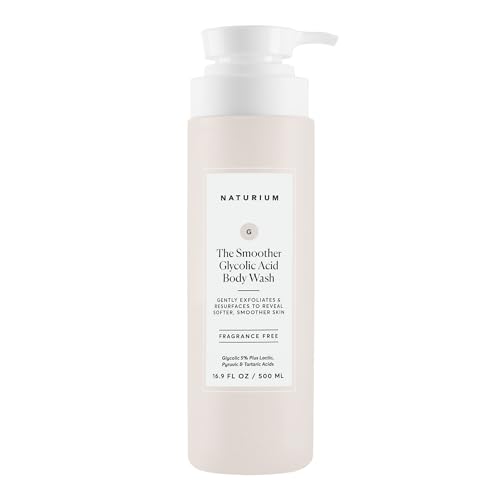
Naturium’s body wash blends glycolic, lactic, pyruvic, and tartaric acids to resurface rough skin while red algae hydrates. It’s a multi-use cleanser suitable for daily use on body and can double as a facial cleanser for those who want a single-step exfoliating cleanse. Best for: those seeking a gentler, daily exfoliating cleanse that also moisturizes.
Caution: The formula targets texture improvement; sensitive individuals may wish to start with less frequent use to assess tolerance.
Advanced Clinicals Glycolic Lactic Face Wash

This gel-based cleanser combines glycolic and lactic acids with salicylic acid for a balanced daily exfoliation. It creates a rich lather that cleanses without over-drying, leaving skin soft and refreshed. Best for: both women and men seeking a refreshing daily exfoliating cleanse with a cooling feel from peppermint and eucalyptus oils. Caution: daily use may be too strong for very sensitive skin; consider alternating days at first.
Clean & Clear Deep Action Exfoliating Cleanser
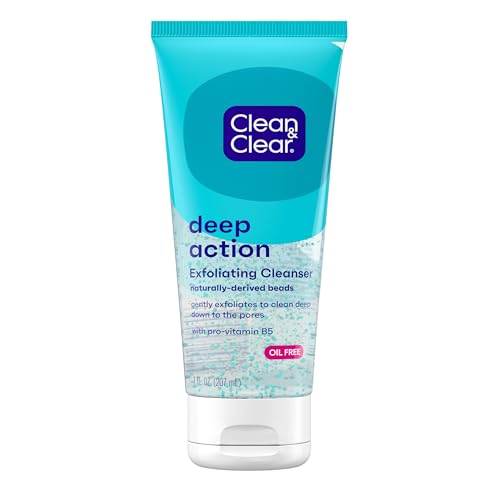
Clean & Clear’s daily exfoliator uses lactic and glycolic acids with Pro-Vitamin B5 in a lightweight, oil-free formula. The plastic-free beads provide gentle scrubbing that helps remove impurities while maintaining moisture balance. Best for: oily or combination skin wanting a non-drying, plant-based-bead exfoliator. Limitation: some users may prefer a creamier texture if they dislike beads.
medicube Red Body Wash

medicube’s red body wash uses lactic and salicylic acids with niacinamide and hyaluronic acid in a balancing complex designed for acne-prone skin. It aims to reduce pore-clogging impurities while maintaining hydration. Best for: bodies prone to breakouts or rough texture; good for regular cleansing with an eye toward calming sensitivity. Caution: the product packs active acids that may sting for very sensitive areas after shaving.
Murad AHA/BHA Exfoliating Cleanser

Murad’s cleanser uses a triple-action approach with salicylic, lactic, and glycolic acids to smooth dull skin and minimize texture. It’s designed to improve absorption and reduce lines with ongoing use. Best for: those seeking multi-acid exfoliation to achieve visibly smoother skin. Limitation: more suitable for those accustomed to chemical exfoliants; may require gradual introduction for sensitive skins.
Buying Guide: Key Factors For Choosing Lactic/Glycolic Cleaners
What should you consider when selecting a lactic or glycolic acid cleanser?
- Skin type compatibility: Choose peels suitable for your skin type—oily, dry, or sensitive. Lactic acid is generally milder than glycolic and can be gentler on sensitive skin.
- Acid concentration and frequency: Start with lower concentrations and fewer uses per week if you’re new to chemical exfoliants. Increase gradually as tolerated.
- Formulation and texture: Gel cleansers may feel more refreshing; creamy formulas can be more hydrating. Body washes often target texture and hydration alongside exfoliation.
- Additional actives: Look for soothing ingredients (hyaluronic acid, ceramides) or anti-inflammatory notes that help balance exfoliation with comfort.
- Target concerns: If you’re addressing acne, consider products with salicylic acid or niacinamide in addition to lactic or glycolic acids.
- Usage context: Daily cleansers are convenient, but some users prefer alternating with a non-exfoliating cleanser to avoid irritation.
Frequently Asked Questions
What is lactic acid in skin care?
Lactic acid is an alpha-hydroxy acid (AHA) that exfoliates dead skin cells to smooth texture and brighten skin tone. It’s usually milder than glycolic acid.
Can I use lactic and glycolic acids together?
Yes, but start slowly to avoid irritation. Some products combine multiple AHAs and BHAs for enhanced exfoliation.
Is a body wash with lactic acid different from a facial cleanser?
Yes. Body washes often focus on texture improvement and hydration for larger areas, while facial cleansers may prioritize a gentler exfoliation for sensitive facial skin.
How often should I exfoliate with these cleansers?
Begin with 2–3 times per week for facial products, adapting based on skin response. Body products may be used more frequently if well tolerated.
What should I avoid when using chemical exfoliants?
Avoid combining with strong direct heat (sun exposure without sunscreen, high-heat styling tools). Always wear broad-spectrum sunscreen during the day.