Answering the search intent for a lubricant safe for plastic, this guide highlights silicone- and PTFE-based products that minimize damage to plastic surfaces while reducing friction. These selections are ideal for online shoppers seeking reliable, plastic-friendly options for household, automotive, and DIY projects. The top picks are organized to help bang-for-buck comparisons and quick decisions for common plastic applications.
| Product | Best For | Notable Benefit |
|---|---|---|
| DuPont Silicone Surface Safe Lubricant | General household and auto parts | Nano-Ceramic particles for waterproofing and protection |
| KEZE Silicone Grease with PTFE | Plastic-to-plastic and plastic-to-metal fittings | Food-grade, low-temperature resistance |
| Super Lube O-Ring Silicone Lubricant | O-rings, gaskets, and sealed assemblies | Moisture-resistant and heat-stable |
| WEICON PTFE-Spray | Dry-film lubrication on plastics and metals | Grease-free, non-stick coating |
| ZDBB Zipper Lubricant | Plastic and metal zippers | Clear formula, no staining |
DuPont Silicone Surface Safe Lubricant

Best for: General maintenance where plastic contact is common, including home appliances, automotive components, and marine gear. The formula features Nano-Ceramic Boron Nitride particles to waterproof, protect, lubricate, and preserve surfaces like rubber, plastic, vinyl, leather, metal, and wood. It operates from -40°F to 392°F, reducing squeaks, preventing sticking, and hindering dirt buildup.
Why selected: Its non-stick ceramic-enhanced technology helps protect delicate plastics from abrasion and sticking, making it a strong all-purpose choice where plastic compatibility matters.
Limitations: As a broad-surface lubricant, it may be overkill for simple tiny hinge squeaks; consider smaller, dedicated lube for minimal parts.
KEZE 92003 Silicone Grease with PTFE

Best for: Plastic-to-plastic and plastic-to-metal interfaces, seals, and O-rings; also suitable for 3D printer components and sliding tracks. The grease blends silicone with PTFE and notes low-temperature resistance (-40°F) and excellent anti-abrasion properties, with a translucent white appearance and food-grade considerations.
Why selected: The integration of PTFE reduces friction on plastic surfaces and supports sealing functions, which is helpful for components that move or slide against plastics.
Limitations: It’s a grease product, so it may attract dust or require periodic reapplication in high-dust environments; avoid over-application on delicate plastics to prevent staining or build-up.
Super Lube O-Ring Silicone Lubricant
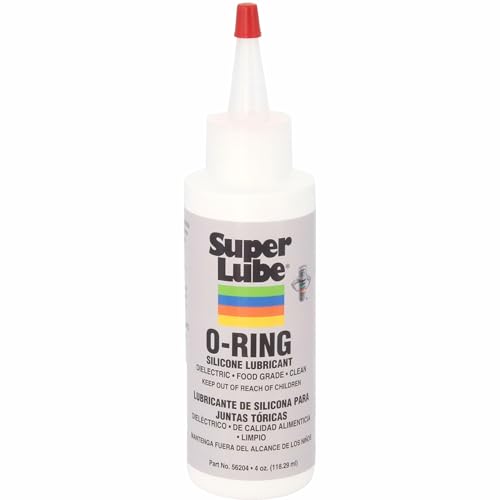
Best for: O-rings, gaskets, vacuum systems, and automotive components where stable silicone lubrication is needed. This clear, non-curing formula helps prevent leaks and corrosion while staying resistant to moisture and temperature variations.
Why selected: It’s specifically designed for rubber seals and plastics in environments prone to moisture, making it a reliable option for preserving plastic components that require consistent lubrication without chemical staining.
Limitations: May not be ideal for high-load metal-to-metal parts; use where silicone compatibility with plastics is known and appropriate.
WEICON PTFE-Spray

Best for: Dry-film lubrication on rails, hinges, plastic and metal surfaces; forms a non-stick coating and resists dirt, water, and many chemicals. The grease-free PTFE spray is suitable for long-term use on plastics where a clean, dry lubricant is preferred.
Why selected: The dry-film approach minimizes residue on plastic parts and helps prevent sticking without introducing solvent-like spread that could attract dust or attract dirt.
Limitations: Dry PTFE films can wear off with heavy scrubbing or extreme mechanical load; reapplication may be required for high-use plastic guides.
ZDBB Zipper Lubricant Wax for Plastic and Metal Snaps

Best for: Zippers and snaps on jackets, tents, boat covers, jeans, and gear bags where a clear, long-lasting lubrication is desired. The wax-based formula dries clear and provides water, dirt, and corrosion resistance.
Why selected: Its clear formulation ensures no visible stains on fabrics or gear, making it a practical choice for consumer textiles that involve plastic components in zippers.
Limitations: Not a general-purpose lubricant for all plastic parts; better suited for zippers and moving fabric hardware than for metal-on-plastic mechanical interfaces.
Buying Guide: Key Considerations For Plastic-Safe Lubricants
What type of lubricant is safest for plastic?
Silicone-based lubricants are typically gentle on plastics, resisting wear, moisture, and heat without causing plastic degradation. PTFE (Teflon) options reduce friction effectively, especially for plastic-to-plastic or plastic-to-metal interfaces. Consider a combination that suits your application—silicone for general use and PTFE for high-friction parts.
Is it food-safe or indoor-use only?
If the lubricant will contact consumables or water systems, choose a product with NSF H1 or food-grade certification. For general indoor use, non-food-grade formulas are often sufficient, but verify compatibility with the specific plastics you’re lubricating.
How does temperature impact performance?
Check operating temperature ranges. Plastics can become brittle in extreme cold or soften at high heat. A lubricant with a broad range (-40°F to 392°F or higher) offers better protection for varied environments.
Will it affect coatings or finishes?
Choose clear or non-staining formulas when the lubricated surface has visible finishes, fabrics, or decals. Clear formulations prevent residue that could mar appearances on plastic surfaces or textiles.
How easy is cleanup and reapplication?
Some products are grease-based, requiring more cleanup, while dry-film or aerosol silicone sprays can be cleaner and quicker to reapply. For delicate plastics, a dry or clear lubricant may be preferable to avoid buildup.
What about accessibility and usage?
Aerosol formats provide easy, even coverage for larger areas, while precision applicators or tubes suit small, tight joints. Consider the project size and the number of moving parts when selecting a format.
Best all-around picks for plastic safety
For broad plastic-friendly performance, combine a silicone-based option for general use with a PTFE-enhanced product for high-friction interfaces. Avoid heavy-duty, solvent-based lubes on delicate plastics unless they are explicitly compatible.
Maintenance tips
- Apply a light, even coat; wipe away excess to avoid attracting dirt.
- Test on a hidden area if unsure about a surface’s reaction.
- Schedule reapplication based on part movement, exposure, and temperature.
FAQ
- Q: Are these lubricants safe for all plastics? A: Most are formulated to be plastic-safe, but test on a small area when possible and verify compatibility with the specific plastic item.
- Q: Can I use silicone lubricants on metal parts too? A: Yes, silicone-based lubricants commonly work well on metal parts, but PTFE options can offer lower friction for high-load metal interfaces.
- Q: Do these products dry out or attract dust? A: Some silicone and PTFE sprays may attract dust over time; dry-film options tend to stay cleaner longer but may wear with heavy use.
- Q: Can I use food-grade lube around drinking water systems? A: Only use NSF H1 registered products in places with incidental contact with foods or drinking water.
- Q: How often should I reapply? A: Reapplication frequency depends on exposure, movement, and environmental conditions; inspect moving plastic parts regularly and reapply when squeaks return or friction increases.
- Q: Are there any safety concerns with aerosol lubricants? A: Use in well-ventilated areas and follow label directions to minimize inhalation and skin exposure.