Answering the need for safe, non-toxic fabric dyes, this guide highlights options that are better for people and the planet. The top picks cater to different projects—casual wardrobe refreshes, bold DIY patterns, and kid-friendly crafts. The best buyers are those seeking low-odor, biodegradable formulas, and clear labeling that reduces exposure to harsh chemicals. The listed products are chosen for safety, ease of use, and color performance across common fabrics like cotton, linen, and blends. A quick summary table follows to compare core details at a glance.
| Product | Best For | Key Benefit | Notes |
|---|---|---|---|
| Black Fabric Dye (3-Pack) All-Purpose Eco-Dye | Everyday wardrobe refresh | Non-toxic, high-fixation color | Up to 3 lbs per set |
| Navy Blue Fabric Dye for Clothes | Bold basics | Eco-dye formula, 2 lbs per pack | Great for denim and blues |
| Qualia All Purpose Powder Fabric Dye | Crafts & home décor | Ultra-concentrated, eco-friendly | Wide fabric compatibility |
| 12 Colors Tie Dye Kit | Family projects | Non-toxic, kid-friendly | 12 colors included |
| Honey Oak Natural Tie Dye Kit | Shibori & natural dye lovers | Plant-based, three color set | Includes all kit components |
Buyer tip: when selecting a dye, consider fabric type, desired color depth, washing stability, and whether you want powder or liquid formulas. The options below present a spectrum from powder-based, eco-friendly dyes to kid-friendly kits, with practical notes to aid decision-making.
Black Fabric Dye (3-Pack) All-Purpose Eco-Dye
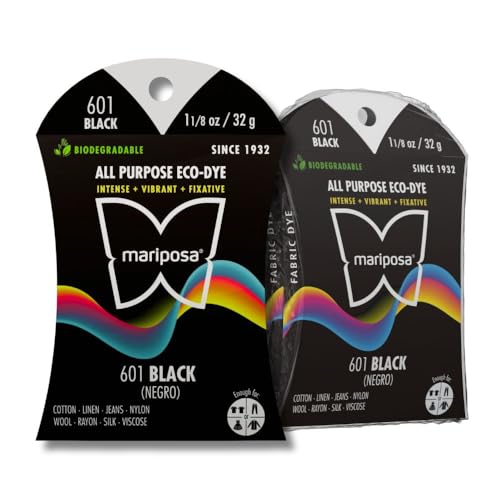
Best for: budget-conscious crafters looking to dye up to 3 pounds of fabric with a single hue. This powder dye is designed for cotton, linen, jeans, rayon, wool, viscose, and more, offering a clean alternative to harsh chemical dyes. The color is described as vibrant and long-lasting with high fixation after washing. A single 3-pack colors up to 3 pounds of fabric, making it convenient for multiple projects.
Why selected: it provides a non-toxic, eco-friendly option without sacrificing bold color. The all-purpose compatibility supports a variety of textiles commonly found in clothing and home textiles. Caution: powder-based formulas can stain surfaces; use protective coverings and wear gloves during preparation.
Navy Blue Fabric Dye for Clothes

Best for: color-refresh on navy or dark-toned garments, with a compact 2-pound package ideal for mid-size projects. This all-purpose eco-dye is non-toxic and suitable for a range of fabrics including cotton, linen, and wool. It emphasizes a quick, clean dyeing process that yields consistent coverage for home sewing or upcycling projects.
Why selected: a reliable, less messy option for dark blues, offering clear dye uptake. Caution: color depth may vary with fabric type and pre-wash condition; pre-soak or mordanting steps may affect uniformity on certain blends.
Qualia All Purpose Powder Fabric Dye

Best for: crafters who want ultra-concentrated color and fast results on cotton, wool, silk, and linen. The kit claims to dye up to 600g of fabric in about 30 minutes with an eco-friendly profile intended to reduce carbon impact.
Why selected: the high pigment load supports bright, vivid hues with less product per project. Caution: powder form requires thorough mixing to avoid streaks; follow the included tutorials for best results.
Rit DyeMore Single Bottle 7 Oz. Graphite
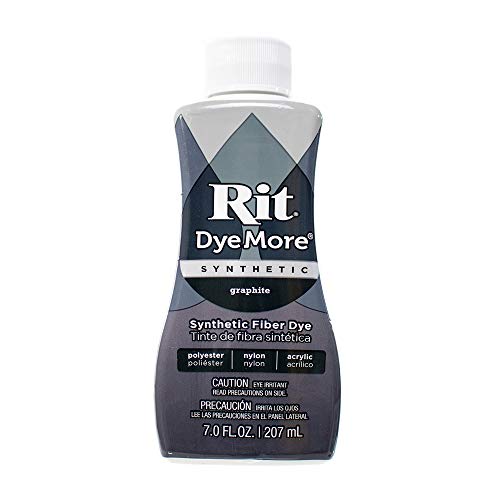
Best for: projects requiring synthetic fiber compatibility, including polyester, acrylic, and acetate. The Graphite shade provides a neutral, versatile option for darker fabrics and décor items.
Why selected: offers a non-toxic route for synthetic fibers where water-based dyes may otherwise struggle with color fastness. Caution: results can vary on natural fibers; test on a small swatch before large-scale dyeing.
12 Colors Tie Dye Kit

Best for: family-friendly projects and classroom crafts. The kit includes 12 non-toxic colors and pre-filled bottles, making it easy for beginners to start with tie-dye patterns and experimental designs.
Why selected: versatility and safety for kids and beginners, with multiple color options to create layered looks. Caution: colors may shift on darker fabrics; pre-soak instructions help achieve consistent results.
Honey Oak Natural Tie Dye Kit

Best for: natural dye enthusiasts who prefer plant-based colors. This three-color set includes Olive Green, Sunflower Yellow, and Turkey Red for Shibori and DIY fabric art with a non-toxic profile.
Why selected: plant-based dyes offer an alternative to synthetic colorants and align with eco-conscious projects. Caution: color longevity depends on fabric type and washing conditions; natural dyes can be less fast on some fibers.
Buying Guide: How To Choose Non-Toxic Clothing Dyes
What material are you dyeing? Most non-toxic options work best on cotton, linen, rayon, and similar natural fibers. If you’re dyeing blends or synthetics, consider products labeled for polyester or synthetic fabrics, and note that colorfastness may vary.
Powder vs. liquid — which is better? Powder dyes tend to be more economical and shelf-stable, but require thorough mixing and can be messier. Liquid dyes are easier to measure and often faster for small projects. Consider your workspace and willingness to clean up.
Color depth and shade range matter. Ultra-concentrated powders or dyes marketed as “vibrant” or “high fixation” can yield deeper hues with less product. If you want precise shades, test on a swatch first and document your process for repeatability.
Safety and care. Look for labels that emphasize non-toxicity, biodegradability, and clear safety guidance. Post-dye care usually involves washing in cold water to preserve color and reduce dye transfer. Gloves and aprons help minimize staining during the dyeing process.
Project scope. Determine how many garments or textiles you plan to dye. If you’re dyeing multiple items, a multi-pack or larger kit can be more cost-effective and reduce the risk of color mismatches.
Frequently Asked Questions
- Are non-toxic dyes truly safe for kids? Most non-toxic dyes are formulated for safe use with basic adult supervision. Always follow the manufacturer’s age recommendations and use protective gear like gloves and aprons.
- Can I dye synthetic fabrics with non-toxic dyes? Some non-toxic dyes are designed for synthetics, but colorfastness may be lower compared with natural fabrics. Check product specs for compatibility with polyester or acrylic.
- Will natural dye kits work on all fabrics? Natural dye kits often perform best on natural fibers such as cotton, linen, and wool. Fiber content and pre-washing influence outcomes.
- How should I fix color after dyeing? Most dyes include recommended rinse and wash instructions. Pre-washing and using cold water can help preserve color; avoid hot water until after the dye sets.
- Do non-toxic dyes require mordants? Some natural or plant-based dyes may benefit from mordants for colorfastness, depending on the fabric and dye type. Follow the specific dye kit instructions.
- Is there a risk of staining with powder dyes? Powder dyes can stain surfaces if spilled. Use a protective workspace, wear gloves, and seal containers after use.