Keeping brushes clean is essential for delivering smooth acrylic applications and extending brush life. This article highlights five highly effective brush cleaners and restorers that work well with acrylic paints, along with practical buying considerations. Each product is evaluated for cleaning power, ease of use, and compatibility with common brush types. Use these options to prevent hard-drying resin, revive bristles, and maintain color accuracy in your future projects.
| Product | Brand | Key Benefit |
|---|---|---|
| The Masters Brush Cleaner | General’s | Removes acrylics and oils; preserves brush performance |
| Brush Cleaner & Restorer 4 oz | U.S. Art Supply | Restores brushes with dried-on acrylic and oil |
| Brush Cleaner & Restorer 16 oz | U.S. Art Supply | Large-capacity cleaner for frequent use |
| Paint and Art Wipes | HIPPIE CRAFTER Store | Heavy-duty wipes for quick cleanup on hands and surfaces |
| Brush Cleaner 32 oz | X ARTY HUB Store | Water-based formula with brush restoration |
Note: The products listed above are chosen for their effectiveness with acrylic paints and broad brush compatibility. This guide presents objective features and typical use cases to help you compare options and select the best fit for your studio or workspace.
General’s The Masters Brush Cleaner And Preserver

The Masters Brush Cleaner and Preserver from General’s is designed as a versatile, non-toxic solution for cleaning and protecting brushes. It claims to remove a wide range of media, including acrylics, oils, watercolors, stains, and varnishes, making it suitable for mixed-media artists. The product is described as a simple one-step care process intended to keep brushes performing like new. It supports removal of glazes and various synthetic finishes, which helps extend brush life and maintain brush shape. This option is particularly helpful for artists who switch between mediums and need a single cleaner for multiple use cases.
In practice, this cleaner emphasizes ease of use and broad compatibility. Users note that it can dissolve dried paint buildup and condition bristles to reduce breakage. For acrylic painters, the cleaner may help prevent stiffness and restore flexibility after cleaning. As with any brush cleaner, it’s advisable to follow the manufacturer’s instructions for soaking times and rinse steps to avoid bristle swelling or damage. Overall, it’s a dependable multi-media brush maintenance product.
U.S. Art Supply Brush Cleaner And Restorer, 4 oz
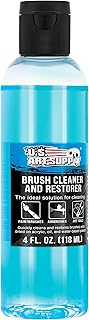
This 4-ounce bottle from U.S. Art Supply focuses on restoring brushes with dried-on acrylic, oil, gouache, inks, and water-based paints. It’s marketed as a high-performance cleaner that is also effective for removing dried-on paint from airbrushes and other art tools. The product emphasizes longevity for all art supplies, enabling repeated reuse of brushes rather than discarding them due to buildup. The compact size makes it a practical option for students, hobbyists, or artists with a growing tool collection who want a dedicated cleaner on hand for quick touch-ups between sessions.
Key considerations include its compatibility with common synthetic and natural bristle brushes and its ability to soften dried material for easier removal. Users typically perform a pre-soak or short soak to loosen stubborn paint, followed by a thorough rinse. While effective on acrylics, it’s worth testing on delicate brush bristles to confirm that it doesn’t cause any fiber damage. Overall, this cleaner offers a solid balance of efficiency and portability for regular studio use.
U.S. Art Supply Brush Cleaner And Restorer, 16 oz

The 16-ounce bottle offers a higher-capacity option for artists who frequently work with brushes and want longer-lasting cleaner coverage between refills. It is described as highly effective for removing dried-on acrylic, oil, gouache, inks, and water-based paints. The product is suitable for restoring brushes, airbrushes, and other art tools, and it emphasizes keeping supplies clean and ready for use. The larger volume can be cost-effective for studios or individuals with extensive brush inventories, helping minimize frequent repurchases while maintaining brush health over time.
When using this cleaner, artists typically pre-soak heavily encrusted brushes, then rinse and reshape the bristles. The product’s effectiveness depends on proper immersion time and thorough rinsing to prevent residue buildup. As with other cleaners, users should confirm compatibility with their specific bristle types and avoid extended exposure to avoid potential bristle swelling. This option is best suited for regular, multi-tool maintenance in a busy studio environment.
Paint And Art Wipes, Heavy-Duty Cleaner

Paint and Art Wipes by HIPPIE CRAFTER Store provide a rapid, on-the-fly cleanup option for hands, brushes, epoxy, glue, latex, and acrylic stains. The wipes are designed as a heavy-duty cleaning solution in a portable format, with large wipes described as 7 by 10 inches. They feature textured fibers intended to break down grime and dried paint for effective removal on the go, making them ideal for messy workspaces, field sessions, or classrooms where quick, mess-free cleanup is valuable. They’re marketed as safe for hands and commonly used on wood and plastic surfaces.
These wipes are particularly useful for preventing acrylic paint from drying on tools between sessions or when you need to quickly wipe down brushes and work areas. Consider them as a complementary product for immediate cleanup, rather than a deep-cleaning solution. For thorough brush restoration, specialized cleaners discussed in other sections may be more effective for stubborn buildup. Nonetheless, the wipes provide a practical, no-fuss option for everyday maintenance and sanitation in a busy studio.
Brush Cleaner And Restorer, 32 Fl Oz

This 32-fluid-ounce brush cleaner from X ARTY HUB Store emphasizes water-based cleanup for acrylics and related media. It’s described as a powerful cleaning solution for brushes, airbrushes, and other art tools, with particular effectiveness on acrylic, gouache, watercolor, tempera, finger paint, and airbrush paints. The product also acts as a restorer, softening and cleansing hardened paint to bring brushes back to life. A soaking period of several hours is often recommended to maximize conditioning and restore elasticity. The formula is presented as mild and solvent-free, reducing odor and irritation while keeping bristles intact during repeated cleanings.
In practice, this cleaner is well-suited for studios that frequently deal with water-based paints. The restoration capability helps prolong brush life by allowing bristles to regain their original shape after hardening. For best results, follow the suggested soak duration and avoid aggressive scrubbing that can abrade bristles. This option provides a robust balance of cleaning power and brush preservation, especially for acrylic painters who need dependable, ongoing brush care.
Buying Guide: How to Choose the Right Acrylic Brush Cleaner
Key considerations when selecting a brush cleaner for acrylics include brush type compatibility (synthetic vs. natural bristles), cleaning power for dried-on paint, and the restoration capability for stiff or hardened bristles. If you work with a broad set of media, a multi-purpose cleaner that can handle oils and glazes is advantageous, but you may prefer a dedicated acrylic-specific formula for maximum effectiveness. Volume matters for studios with many brushes or frequent use; larger bottles generally offer better value over time. For workplace safety and comfort, look for non-toxic or mild formulations with low odor. Finally, consider whether you need a deep-cleaning solution for enamel or varnish residues or a quick wipe-down product for on-the-go cleanup. Packaging, ease of use (soak times vs. quick rub) and customer support from the brand may also influence your decision.
From a performance perspective, the strongest options typically share these traits: (1) strong solvency for stubborn acrylic films, (2) gentle bristle care to minimize shedding, (3) compatibility with common tool formats such as brushes, airbrushes, and sponges, and (4) clear instructions for soaking, rinsing, and reshaping bristles. For students and hobbyists, smaller bottles with straightforward directions can be advantageous as you learn your preferred workflow. For professionals, investing in a larger volume that offers robust restoration capabilities can reduce downtime between sessions. Assess your typical cleaning routine, then pick a formula that aligns with your workflow and brush lineup.