Finding a safe, effective way to remove paint from tile without damaging the surface can be challenging. This guide highlights five top-rated removers that work well on tile while avoiding harsh chemicals. Each option targets spills, overspray, and dried coatings, offering practical solutions for bathroom, kitchen, and utility tiles. Read on to compare methods, surface compatibility, and key features from reputable brands.
| Product | Brand | Best For | Surface Types | Chemistry Note |
|---|---|---|---|---|
| All Purpose Paint Remover Spray 22oz | Max Strip | Overspray and dried paint | Metal, brick, concrete, tile, glass, stone | No methylene chloride, NMP |
| Citristrip Stripping Gel, 40 oz | Citristrip | Multiple paint layers | Wood, masonry, some metals | Natural citrus-based solvent |
| Lift Off 41301 Latex Paint Remover Spray | Motsenbocker’s Lift Off | Latex and enamels | Fiberglass, brick, upholstery, tools, more | Water-based, biodegradable |
| 2-Minute Remover Advanced Gel | Sunnyside | Fast stripping of layers | Wood, metal, masonry | Methylene chloride-free safety focus |
| Smart ‘n Easy Paint & Varnish Remover Gel | Safe ‘n Easy | DIY projects, multi-layer removal | Wood, brick, stone, fiberglass | Water-based, no caustics, citrus scent |
Note: Always test a small, inconspicuous area before full application. Follow label directions, wear protective gloves, and ensure good ventilation when working with paint removers.
Max Strip All Purpose Paint Remover Spray
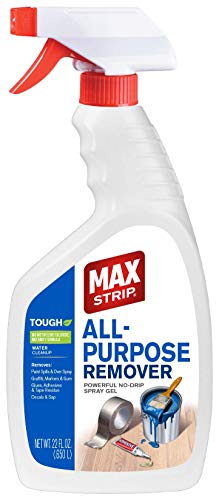
Max Strip offers a powerful no-drip spray gel designed to tackle various paint challenges without caustic chemicals. It’s suitable for tile surfaces and other materials, making cleanup straightforward. The product targets overspray, graffiti, and dried paint, providing a quick-acting solution with easy removal. Its formula emphasizes safety and convenience, allowing users to apply, wait, and scrape as needed without harsh solvents.
Citristrip Stripping Gel, 40 oz

Citristrip Stripping Gel is a citrus-based remover that stays wet for extended periods, allowing multiple layers to be stripped in one step. It’s effective on latex and oil-based paints, varnishes, and shells in a gel format that adheres well to vertical surfaces, including tile grout lines. This makes it a popular choice for home remodeling projects where time and surface preservation matter.
Motsenbocker’s Lift Off Latex Paint Remover

Lift Off uses a water-based, biodegradable formula to remove latex paints and enamels from multiple surfaces. It’s noted for being gentle on tools and easy cleanup of spills and brushes. The product’s versatility makes it suitable for tile projects, where you need to address both the coating on the tile surface and residual buildup on tools and containers used during removal.
Sunnyside 2-Minute Remover Gel
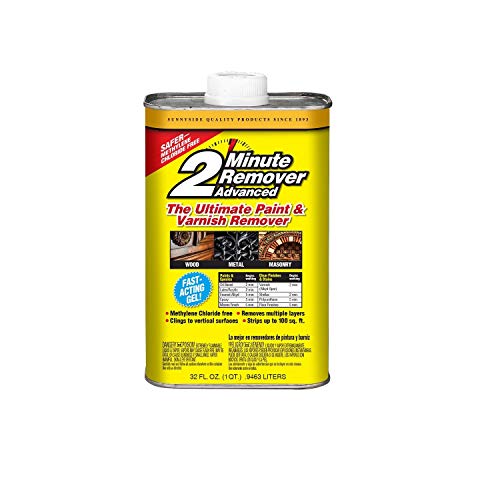
Sunnyside’s 2-Minute Remover Gel is a fast-acting option that strips multiple layers of paint or varnish in one pass. It’s methylene chloride-free, which enhances safety for indoor tile applications. The gel adheres well to vertical surfaces, reducing run-off and enabling efficient removal on bathroom and kitchen tiles without damaging underlying materials.
Smart ‘n Easy Paint & Varnish Remover Gel

Smart ‘n Easy Gel emphasizes a user-friendly, DIY approach with a citrus scent and no caustic chemicals. It’s designed to soften and lift latex, oil, and water-based paints, making it suitable for tile maintenance projects where you might remove paint from grout lines or delicate tiles without aggressive solvents.
Buying Guide: Key Considerations for Tile Paint Removers
- Surface safety: Look for products labeled safe for tile, ceramic, and grout. If unsure, test a small area first to prevent etching or staining.
- Paint type compatibility: Latex, acrylic, oil-based, and shellac vastly differ in how they respond to removers. Some formulas excel on latex while others tackle epoxy coatings; pick accordingly.
- Application method: Gel and spray formats affect ease of use, splatter control, and penetration into textured tile surfaces. Gel often reduces run-off on vertical surfaces and grout.
- Ventilation and safety: Choose non-caustic, low-odor options when working indoors. Always wear gloves and eye protection, and follow label directions.
- Tooling needs: Scrapers and brushes can speed up removal. For grout lines, a plastic scraper is gentler on tile edges, while metal scrapers should be used with caution.
- Cleanup and disposal: Some removers allow easy cleanup with water, while others require mineral spirits or soap and water. Consider environmental impact and local disposal guidelines.
- Drying time and reapplication: Some products require waiting multiple intervals or reapplication for multiple coats. Plan your workflow to minimize downtime.
- Alternative approaches: For stubborn or delicate tiles, combining a gel remover with heat-assisted or mechanical methods (e.g., softening with heat gun, then scraping) can improve results while protecting tile surfaces.
When choosing a remover for tile, balance efficiency with surface safety. For homes with porous tile or grout, prioritize low-odor, water-based formulas. For metal or masonry-adjacent tiles, ensure compatibility with masonry materials and grout seals to prevent staining or damage.