When refreshing tile installations, removing old paint, coatings, or sealants can be a challenging task. The right paint stripper can simplify the job, minimize damage to the underlying tile and grout, and reduce cleanup time. This article reviews five top-rated options designed to work on tile, masonry, and adjacent surfaces. Each product is evaluated for effectiveness, surface safety, and user-friendliness, helping you choose a solution that fits your project timeline and skill level.
Quick product summary:
| Product | Brand | Best For | Surface Compatibility |
|---|---|---|---|
| Citristrip R Stripping Gel, Citrus Stripper | Citristrip | Multiple layers of latex and oil-based paints | Wood, metal, masonry, tile surfaces |
| Polar Paint & Varnish Stripper Spray | Polar Specialist Coatings | Stubborn paints on vertical surfaces | Wood, metal, concrete (avoid plastic or powder-coated) |
| Max Strip Paint & Varnish Citrus Stripper (1 Quart) | Max Strip | Multiple layers of latex and oil-based paints | Wood, masonry, tile, molding |
| Paint & Varnish Remover Klean Strip Premium Stripper | OMNI DEPOT | Epoxy, polyurethane and tough coatings | Wood, metal, masonry |
| PROSTRIP by FILA Surface Care Solutions | FILA | Paint and graffiti removal on concrete, stone, tile | Concrete, natural stone, porcelain, ceramic tile |
Citristrip R Stripping Gel For Tile And More

Citristrip R Stripping Gel is a ready-to-use gel that stays wet and active for up to 24 hours, enabling the stripping of multiple layers in a single step. The formulation is designed to break down latex and oil-based paints, varnishes, lacquers, polyurethane, and shellac, making it a versatile choice for tile adjacent coatings or finish layers that can obscure grout lines or tile edges. The gel consistency helps minimize drips and splashes, which is particularly beneficial when working on vertical surfaces or elevated tile areas.
In tile projects, this product can be effective on coatings that have adhered to the tile surface or grout line finishes that may be hard to remove with solvent-based alternatives. Always test a small area first to confirm tile integrity and grout compatibility. Use a plastic scraper to remove softened material and wipe clean to evaluate remaining residue. This option is well-regarded for its user-friendly application and general safety profile when used as directed.
Max Strip Paint & Varnish Stripper 32oz
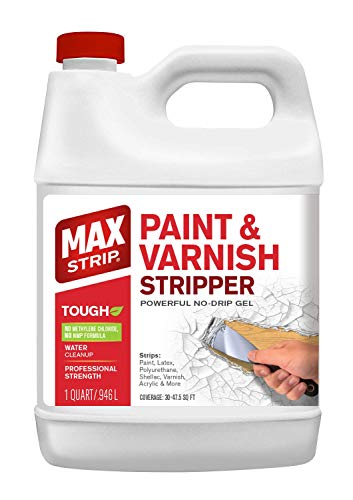
Max Strip 32oz is designed to remove multiple layers of paint and varnish from wood, metal, masonry, plaster, and tile. It promises effective results in a single application and emphasizes a caustic-free formula, avoiding methylene chloride or NMP. The product guides users to apply, monitor approximately every 15 minutes, and remove the softened coating with a scraper. It’s positioned for DIY homeowners and professionals who need robust performance without harsh chemicals.
For tile work, apply to the painted tile surface and grout lines, then check progress frequently to ensure the stripper does not damage the tile glaze or grout. This option is suitable where multiple coatings have built up or when resurfacing tile features that have been painted over decades. Plan for thorough cleanup of any slurry and be prepared to rinse and neutralize after the stripping process to protect tile surfaces.
Polar Paint & Varnish Stripper Spray
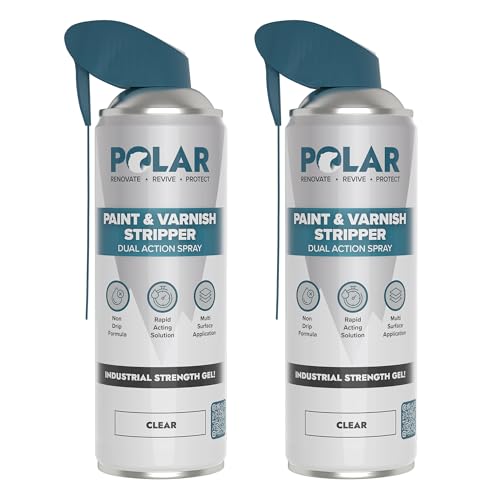
Polar Paint & Varnish Stripper Spray is an industrial-strength gel designed to dissolve stubborn paints and varnishes. It has a clingy formulation that adheres well to vertical surfaces, improving coverage on tile walls and raised sections where paint has settled into grout lines. The product is described as non-drip, leaving treated areas cleaner with less residue, which helps in achieving a polished finish after removal. It is compatible with wood, metal, and concrete surfaces, offering flexibility in mixed-material bathroom or kitchen tile projects.
Note that the product cautions against using on certain plastics or coatings not suited for stripping, so testing on inconspicuous areas is recommended. For tile work, apply evenly, follow the recommended dwell time, and scrape away softened material with a plastic scraper to minimize scratches on the tile glaze.
Max Strip Citrus Stripper, 1 Quart

This Max Strip Citrus Stripper is designed to remove multiple layers of latex and oil-based paints without methylene chloride or NMP. The citrus-based formula is marketed as user-friendly, with directions to apply and assess progress every 15 minutes. The product emphasizes ease of use for both contractors and DIY homeowners, making it a practical option for tile projects where coatings have built up over time. Like other gel-based strippers, surface testing is essential to avoid effects on grout sealants or tile finishes.
Paint & Varnish Remover Klean Strip Premium Stripper
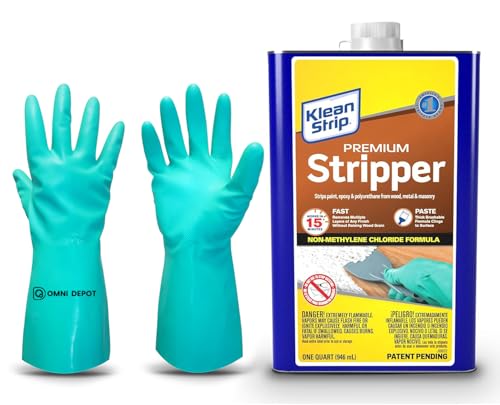
OMNI DEPOT’s Klean Strip Premium Stripper is a fast-acting solution designed to remove epoxy, polyurethane, varnish, and multiple layers of paint from wood, metal, and masonry. It emphasizes speed and surface safety, allowing users to strip without damaging the substrate when used according to the guidelines. The packaging includes protective gloves, underscoring a safety-first approach to handling strong solvents. For tile projects, ensure complete rinsing and neutralization to prevent residue from affecting grout or glaze integrity.
PROSTRIP Paint Stripper And Graffiti Remover

PROSTRIP is a graffiti remover that also functions as a paint remover for concrete, natural stone, porcelain, and ceramic tile. It is designed for exterior and interior surfaces, offering multi-surface efficacy. For tile-focused projects, it is important to consider the tile glaze, grout porosity, and potential surface etching. Apply according to the manufacturer’s dwell time, and perform a thorough rinse to avoid any film or residue that could impact re-coating or sealing later.
Buying Guide: Key Purchase Considerations And Comparisons
When selecting a paint stripper for tile projects, consider these factors to ensure safe, effective results without damaging tile or grout:
- Surface compatibility: Check whether the product is safe for tile, grout, and surrounding materials. Some formulas are harsher and better suited for masonry or wood.
- Gel vs. liquid: Gel or paste strippers reduce drips and are easier to apply on vertical tile surfaces, while liquids can work fast on horizontal surfaces but may require more careful containment.
- Layer thickness and dwell time: For multiple layers of paint, choose a product with prolonged activity or multiple-step options. Adhere to the recommended dwell times to maximize safety and effectiveness.
- Caustic content: Avoid methylene chloride and NMP due to safety concerns. Many products advertise no harmful solvents, but always read the label and use proper ventilation and PPE.
- Residue and cleanup: Some strippers leave minimal residue; others require rinsing or neutralizing. Plan for thorough cleaning to protect grout and tile glaze.
- Vertical surface performance: If applying on walls or tall tile features, prioritize non-drip gels that cling well to vertical surfaces.
- Safety and PPE: Look for products that include gloves or clearly indicate required protective gear. Always follow local safety guidelines and manufacturer instructions.
- Environmental considerations: Non-toxic or low-VOC options may be preferable for indoor projects with limited ventilation.
In summary, the best choice depends on your tile type, the coatings in question, and your comfort with chemical cleaners. For DIY projects aiming to minimize damage to tile and grout, consider citrus-based gels or non-drip formulations. For heavy-duty, layered coatings, a professional-grade stripper with adequate dwell time and cleanup steps provides stronger results. Always conduct a small-area test before committing to large sections of tile, and follow up with a careful rinse and grout sealant if needed.