Choosing the right solvent is essential for thinning oil paints, cleaning brushes, and maintaining studio safety. This guide highlights five well-regarded white spirits and odorless mineral spirits options, covering different volumes and brands to suit varied studio needs. Each product section below includes key features and practical use cases to help artists compare performance, drying times, and odor considerations.
Summary of selected products:
| Product | Brand | Volume | Use |
|---|---|---|---|
| Artists’ White Spirits, 75 ml | Winsor & Newton | 75 ml | Oil colors thinning; brush cleaning |
| White Spirit 100 ml | AK Interactive | 100 ml | General thinning and cleaning |
| Artists’ White Spirits, 1 Litre | Winsor & Newton | 1 L | Studio thinning and maintenance |
| Oil Paint Thinner 250 ml | PHOENIX | 250 ml | Oil paint thinning; brush cleaning; lower odor |
| Odorless Mineral Spirits 4.2 oz | U.S. Art Supply | 125 ml | Odorless thinning and cleaning |
Winsor & Newton Artists’ White Spirits, 75ml

Product overview: This volatile, flammable diluent is suitable for thinning oil colors and cleaning brushes. It works with oil and alkyd media and dries slightly slower than turpentine, which can help preserve pigment flow during mixing. Storage stability is a noted advantage, making it a dependable in-studio solvent.
AK Interactive White Spirit, 100 ml

Product overview: AK Interactive offers a compact 100 ml bottle designed for thinning and general brush cleanup. While marketed for broader use, its solvent properties support thinning oil-based media and cleaning tools, providing a convenient option for hobbyists and studio painters alike.
Winsor & Newton Artists’ White Spirits, 1 Litre

Product overview: A larger-volume option suitable for busy studios, this white spirit is ideal for thinning oil and alkyd paints and for brush cleaning. It features slightly slower drying compared with turpentine and is designed to remain stable during storage, reducing waste and frequent replacements.
PHOENIX Oil Paint Thinner 250 ml

Product overview: PHOENIX uses premium hydrotreated petroleum distillates to deliver a low-odor, refined solvent. It aims to be a safer alternative to traditional turpentine, offering effective thinning for oil paints while preserving pigment integrity. Also suitable for brush cleaning without excessive harshness.
U.S. Art Supply Odorless Mineral Spirits, 4.2 oz

Product overview: This highly refined solvent blends well into oil-based paints, stains, and varnishes with minimal odor. It doubles as an effective brush cleaner and degreaser for tools and palettes, reducing residue after cleaning sessions, and blending well with colored-pencil art techniques when needed.
Winsor & Newton Artists’ White Spirits, 500 ml

Product overview: This mid-sized bottle balances studio needs with portability. Like other Winsor & Newton white spirits, it is designed for thinning oil colors, cleaning brushes, and maintaining a consistent painting workflow without harsh drying effects. It emphasizes storage stability and consistent performance.
PHOENIX Oil Paint Thinner 500 ml
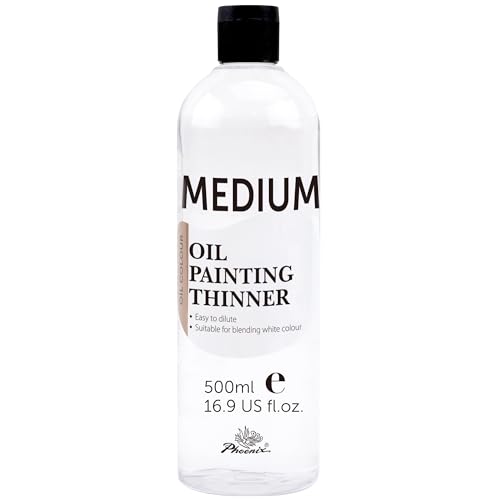
Product overview: A larger quantity version of PHOENIX thinner, offering the same low-odor, refined solvent profile. It’s designed for oil painting applications, brush cleaning, and maintaining pigment integrity during thinning and blending tasks in studio settings.
Buying Guide: Key Purchase Considerations
- Odor and safety: Odorless or low-odor formulas reduce studio fatigue and improve comfort during longer sessions. Always use solvents with adequate ventilation and store away from heat sources.
- Volume and frequency of use: Larger bottles are cost-effective for high-volume studios, while smaller bottles suit hobbyists or portable setups. Consider how often you thin paints and clean brushes when choosing volume.
- Drying time: Some white spirits dry slightly slower than turpentine, which can help with blending but may affect working time. If you need faster cleanup, choose a formula with a balanced evaporation rate.
- Pigment compatibility: Most standard white spirits are compatible with oil and alkyd colors, but always test a small amount to confirm pigment behavior before committing to a large batch.
- Storage stability: Look for products that maintain performance after storage and do not deteriorate or separate, ensuring consistent results across sessions.
- Brush care: Effective solvents should clean brushes without overly stripping bristles. Gentler formulas can extend brush life when used with natural or synthetic brushes.
- Regulatory and safety notes: Follow local guidelines for solvent storage, ventilation, and disposal. When possible, opt for low-toxicity, refined distillates to minimize exposure risks.
- Brand and availability: Reputable brands like Winsor & Newton and PHOENIX offer reliable performance and broader availability across retailers. Consider cross-referencing product SKUs for consistent results.
- Performance profile: Assess how well the solvent thins oil paint and maintains pigment integrity during blending, noting any change in color saturation.
- Cleaning efficiency: Compare brush and tool cleaning effectiveness, including residue reduction and ease of rinsing.
- Storage and handling: Consider bottle design, cap quality, and portability for studio or on-the-go use.
- Cost per use: Estimate consumption based on your typical thinning ratio and brushes’ lifespan to determine value.
- Environmental impact: Favor refined, low-odor distillates when possible and adhere to proper disposal guidelines to minimize environmental footprint.
Note: This article enumerates options available at major retailers and describes typical usage scenarios. Individual results may vary based on pigments, brush types, and painting techniques.