Looking for reliable, compost-friendly paper bags for kitchen scraps and storage? This guide highlights five top options that balance compostability, leak resistance, and practicality for everyday use. Best for small-countertop caddies, eco-conscious households, and quick lid-free sealing. The top picks include models with certified compostable liners, small-batch bundles, and sturdy Kraft paper designs suitable for home composting or odor control. Use the quick-reference table to compare core features and decide which bag set fits your needs.
| Product | Size / Capacity | Certifications | Best For |
|---|---|---|---|
| Hytrend Kitchen Waste Bags | Small size; fits standard bins | BNQ, BPI certifications | Compact counter caddies |
| JENCENBIO Compostable Bags | 7.9 x 11.6 x 3.7 in; 30 bags total | BPI ASTM D6400 | Odor control with waterproof liner |
| Bag to Earth Kitchen Bags | Small bundle; compostable | 100% compostable | Leak resistance, renewable resources |
| KAIHENG Compostable Paper Bags | 50 count; paper bag roll | Plastic-free; recyclable | Odor sealing and eco design |
| BadenBach Brown Paper Bags | Large lunch/bulk bags | Recyclable, kraft paper | Daily packing and storage |
Hytrend Kitchen Food Waste Bags

Best for small kitchen spaces, Hytrend bags offer a foldable top design that enables easy opening and secure sealing. The bag is designed to fit standard trash bins with no extra adjustments needed, making it a practical choice for countertop scraps. The materials are sourced from renewable resources, aligning with eco-friendly goals. Best for: small apartments, dorm rooms, or offices where space is tight and odor control is a priority. Caution: check bin compatibility to ensure a snug fit and avoid leakage if the liner tears during disposal.
JENCENBIO Compostable Paper Bags

JENCENBIO bags feature a compostable PLA liner that prevents leaks, with a brown, compact design ideal for small kitchen trash cans. They are certified to meet BPI ASTM D6400 standards, and each bundle provides multiple bags for regular use. Best for: households needing odor control and leak resistance without synthetic liners. Choose this if you value a ready-to-go, certified compostable option. Limitation: the liner is an additional component; ensure proper bag disposal to maintain composting integrity.
BadenBach 50 Pack Kraft Bags
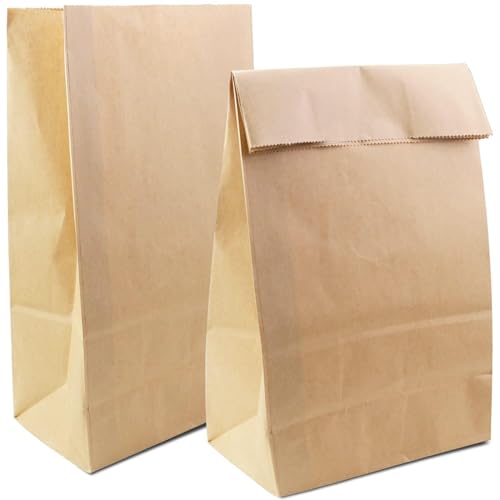
These large brown paper bags are a sturdy, eco-friendly alternative for daily use and retail packing. The 12.5″ x 7″ x 4.3″ size supports heavier items, while the square bottom helps with stability during packing. Best for: grocery wrapping, lunch packing, and small-scale compostable use where sturdy paper is required. Caution: not all batches may be equally lined for moisture; inspect for any holes or tears before use.
KAIHENG Kitchen Waste Bags
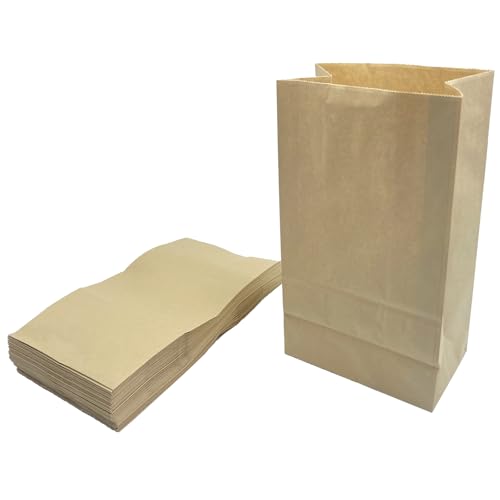
KAIHENG offers compostable paper bags that are designed for odor control with a fold-over top to seal waste securely. They are plastic-free and marketed as recyclable, emphasizing an eco-friendly lifecycle. Best for: households seeking a simple, plastic-free bag option for kitchen waste. Choose this if you want a straightforward, eco-conscious bag; avoid if you need perfect leak resistance without a liner, as paper-based bags can be more absorbent in high-waste scenarios.
Bag to Earth – Kitchen Food Waste Bag

Bag to Earth emphasizes leak-resistant, 100% compostable paper bags made from renewable resources. The liners and fibers are designed to keep bins cleaner during waste collection and disposal. Best for: households that want a straightforward compost bag with reliable biodegradability. Limitation: check bag size against your bin to avoid overflow or frequent replacements in busy kitchens.
Buying Guide: Key Considerations For Paper Bags For Compost
What certifications matter?
Look for certifications like BPI (Biodegradable Products Institute) and OK compost INDUSTRIAL. These indicate the bag meets recognized standards for compostability in industrial or home settings. Certifications help ensure disposal aligns with local composting practices.
What sizes fit my bin?
Measure your kitchen compost bin diameter and height, then choose bags that fit with a small margin to prevent overhang. Smaller bags are ideal for countertop caddies; larger bags work well for garage or outdoor compost setups.
Leak resistance vs. compostability
Consider whether a bag uses a liner or a fully lined compostable paper structure. A waterproof liner increases leakage resistance, but ensure the liner is compostable and compatible with your composting method.
Eco-friendly tradeoffs
Paper bags reduce single-use plastic, but moisture-heavy scraps can degrade faster and increase bag slippage. If odor control is essential, select bags with fold-over tops or certified liners to seal waste more effectively.
Storage and shelf life considerations
Store bags in a cool, dry place away from heat. Some bags have a shelf life of about a year; verify storage requirements with the manufacturer. Store away from direct sunlight to maintain integrity.
Use-case tips
- For small spaces, prioritize foldable or pre-sealed designs to minimize spills.
- When storing fruits and vegetables, consider multi-purpose bags that can also hold produce before disposal.
- Keep all bags labeled for easy recycling or composting if required by your local program.
FAQ
- Are compostable paper bags safe for home composting?
- Do these bags prevent odors effectively?
- Can I reuse paper bags for multiple waste collections?
- What is the environmental impact of compostable bags?
- Should I choose a bag with a waterproof liner?
Yes, many are designed for home composting or industrial facilities, but always check the specific certification (such as BPI) to match your composting setup.
Some bags offer fold-over tops or liners to seal odors, while others rely on the natural scent-blocking properties of paper. Choose bags with odor-control features if needed.
Most paper bags are intended for single-use disposal. Reuse may compromise integrity and hygiene, so prefer new bags for each collection.
Compostable bags reduce plastic waste and are designed to break down in composting facilities or home compost piles, depending on certification and local programs.
Waterproof liners improve leak resistance, but ensure the liner is compostable and compatible with your waste stream and local composting rules.