If you need a permanent bond for plastic, you want adhesives that cure strong, endure environmental stress, and stay manageable in real-world use. This guide highlights five top choices designed to fix plastic parts, models, and repairs with confidence. Each option targets different plastic types and use cases, helping you pick the best glue for your project. Suitable buyers include hobbyists repairing models, DIYers working on automotive plastics, 3D printing enthusiasts, and professionals requiring durable, long-lasting bonds.
| Product | Best For | Notes |
|---|---|---|
| J-B Weld Plastic Bonder Syringe | Durable, 2-part bond for plastics and materials | 15-minute set, 3770 psi strength |
| SWIFFAR Plastic Glue | All plastics, clear and strong bond | Waterproof, heat-resistant |
| J-B Weld Plastic Bonder Tan Syringe | DIY repairs, dents, bumper fixes | 1:1 mix, tan color, fast handling |
| GH1200 Plastic Glue | Precision plastic repairs with brush+nozzle | Controlled application, clear finish |
| KRAFTPROTZ 3D Printer Glue Thin | Fine detail fixes for 3D prints | Capillary flow for micro gaps |
J-B Weld 50139 Plastic Bonder Body Panel Adhesive
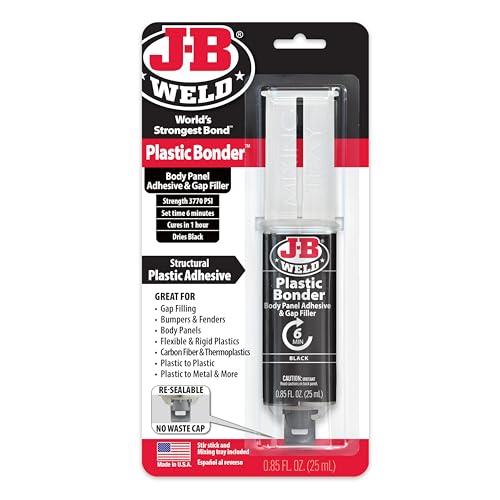
Best for: DIY plastic repairs needing a strong, durable 2-part bond. This syringe-based system uses a 1:1 mix and cures to a hard, permanent bond with a tensile strength around 3770 psi. It works on thermosets, carbon fiber composites, thermoplastics, and coated metals, making it versatile for automotive panels, bumpers, and similar repairs.
Why selected: The 2-part urethane formula and quick 15-minute set enable efficient repair workflows. The 25 ml syringe design minimizes waste and allows precise application for larger or patch repairs.
Caution: Proper surface preparation is essential for optimum adhesion; do not rely on this for flexible or extensively painted surfaces where peel resistance is critical.
SWIFFAR Plastic Glue, Permanent Clear

Best for: Clear, unobtrusive repairs on a variety of plastics, including models, 3D-printed parts, and acetyl surfaces. Its extra-strength formula provides a secure bond against everyday wear and exposure to moisture and heat.
Why selected: The adhesive is designed to stay bonded through time, resisting everyday impacts and environmental changes. It is particularly suitable when a neat, invisible repair is important, such as model components or cosmetic plastic parts.
Limitation: As with many fast-setting glues, it may require precise alignment and careful clamping during initial set to prevent shifting before cure.
Super Glue XXL Value (KRAFTPROTZ) for Plastic

Best for: Quick, everyday plastic repairs where a large tube helps professionals or frequent repairers. The 1.76 oz size provides extended use with a clear, non-drip finish ideal for overhead or vertical applications.
Why selected: Its non-drip, precision-friendly design reduces mess during vertical or ceiling repairs, and the larger volume supports ongoing repair tasks without frequent replacements.
Limitation: The gel-like consistency may be less ideal for highly porous plastics or for jobs requiring ultra-thin bonds in micro-gaps.
J-B Weld PlasticBonder Syringe – Tan
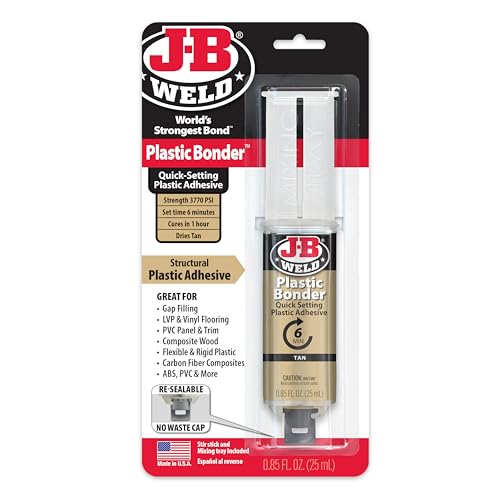
Best for: DIY plastic repairs requiring a reliable, fast-setting bond with a sandable finish. The tan color matches many automotive plastics and bumpers, aiding camouflage after repair.
Why selected: This version uses a 1:1 mix in a resealable syringe, minimizing waste and enabling repeated use. It cures in about 15 minutes and reaches full strength with time, making it practical for one-off or multi-step repairs.
Caution: Cure times can vary with temperature and humidity; plan for slower curing in cooler environments.
GH1200 Plastic Glue with Brush Applicator

Best for: Precise plastic bonds where controlled application is essential. The built-in brush enables detail work on models, miniatures, and small parts where a standard drop would be messy.
Why selected: The dual application options—brush and nozzle—offer flexibility for both broad coverage and fine point work. The glue forms strong, waterproof bonds that resist temperature changes, supporting durable repairs.
Limitation: The brush applicator, while helpful, may require occasional cleaning to prevent clogging on very small joints.
3D Printer Super Glue Thin for PLA, ABS, PETG
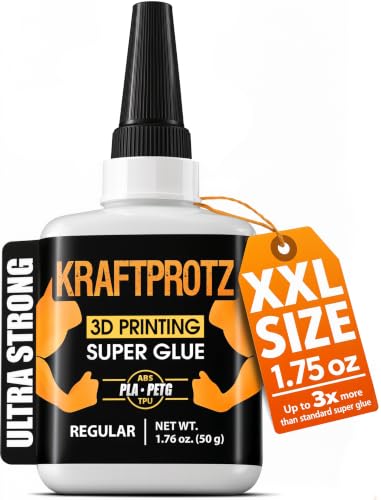
Best for: Fine-detail 3D printing repairs and small gaps in models. The capillary-action formula penetrates micro-gaps, making it ideal for resin and high-detail assemblies.
Why selected: The 1.76 oz XXL size extends use for makers, and compatibility with PLA, ABS, PETG, TPU, ASA, and Nylon reduces residue and blooming on sensitive prints.
Limitation: This is a thin adhesive designed for micro applications; for larger surface repairs, a thicker glue may be more efficient.
Buying Guide: How to Choose The Right Permanent Plastic Glue
What bond strength do you need? For structural repairs like panels or bumper parts, choose a two-part urethane or high-strength cyanoacrylate with a tensile rating in the thousands of psi. For model parts or small prints, a clear, precision bond that dries quickly may be preferable.
What plastic types are involved? Thermoplastics (ABS, PLA) and thermosets respond differently to adhesives. Some glues work better on coated metals or composites; verify compatibility with your specific plastic before applying.
How important is curing time? Fast-setting formulas save time but may require careful clamping. Slower cures can allow precise alignment but extend the repair window.
Is the appearance important? If you need an invisible repair, focus on clear or tan adhesives that blend with the surface color. For automotive plastics, color-matched versions help conceal the joint.
What application method helps you control the bond? Syringes, brushes, and nozzles offer varying levels of control. Select a product that suits your manual dexterity and project scale.
Environmental exposure matters. Waterproof and heat-resistant bonds perform better in automotive, outdoor, or high-humidity environments. Consider whether you need a more flexible or rigid bond.
Frequently Asked Questions
Can I use any super glue on plastic? Some plastics bond well with cyanoacrylate adhesives, but others may craze or fail under stress. Always check the product’s plastic compatibility.
Do all plastic adhesives dry clear? Many do, but some retain a tinted color to match specific surfaces. If a clear finish is essential, test on a scrap piece first.
Is a two-part adhesive better than a one-part glue? Two-part adhesives often provide higher strength and gap-filling capabilities, but may require mixing and longer cure times. One-part glues are simpler and faster for light repairs.
Should I sand the surface before gluing? Surface preparation improves adhesion. Clean, dry, and lightly scuff the area to maximize bond strength and reduce the risk of peeling.
What about curing in extreme temperatures? Some plastics cure more slowly in cold environments. If possible, bring the project to room temperature for best results, and allow extra cure time in cooler conditions.