Pure orange oil can elegantly clean, condition, and revitalize wood surfaces while imparting a fresh citrus scent. This guide highlights five top options designed for furniture, antiques, cabinets, and general wood care. Each pick targets specific needs—from deep cleaning and conditioning to restoring color and protection—so you can choose the best match for your wood project.
| Product | Best For | Notes |
|---|---|---|
| Holloway House Orange Oil Cleaner | All-around wood care with UV protection | Sun-Guard helps limit fading; great for living rooms and furniture |
| Howard ORS016 Orange Oil Wood Polish | Antique and finished wood maintenance | Real orange oil for gentle cleaning and lasting shine |
| Parker & Bailey Orange Oil Polish | Renews and protects wood finish | Rich oils restore natural look and luster |
| Nature’s Orange 100% Pure D-Limonene | Industrial and general cleaner with deodorizing power | Biodegradable, 100% bio-based solvent |
| Real Milk Paint Half & Half | Finishing and conditioning on multiple surfaces | Pre-mixed tung oil and orange peel oil for deep penetration |
Top buyers include homeowners refreshing furniture, antique enthusiasts restoring finishes, and DIYers seeking safer, citrus-scented cleaning options. The following selections explain why each product stands out and whom it best serves.
Holloway House Orange Oil Cleaner
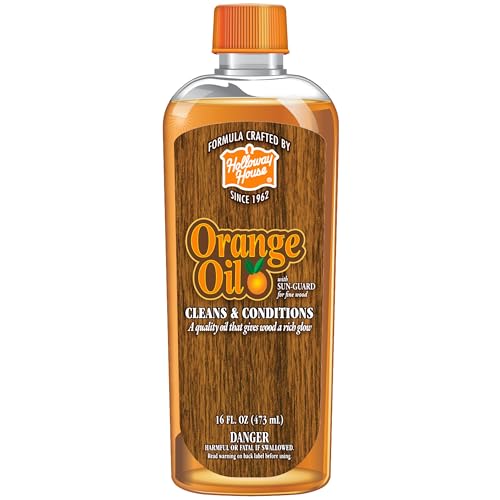
Key features: cleans, protects, moisturizes, and preserves fine furniture and antiques; contains sun-guard to resist sun fading; natural oil provides a rich glow. This product is best for wood furniture exposed to sunlight or used in rooms where a warm, natural finish is desired. Use this if you want a combined cleaner and conditioner with UV protection.
Best for: antique and high-end wood furniture, cabinets, and surfaces that benefit from conditioning with a subtle citrus scent. Caution: check compatibility with very delicate finishes; always test on a small area first to ensure no unwanted buildup or shade change.
Howard ORS016 Orange Oil Wood Polish

Key features: uses real orange oil for cleaning and polishing antiques, furniture, cabinets, and other wood surfaces; removes dirt and wax buildup; leaves a fresh orange scent and lasting shine. This polish is ideal for restoring color and luster on finished and unfinished wood. It’s a safer, citrus-based option compared to harsher solvents.
Best for: antique furniture and cabinets that require gentle cleaning with a lasting orange glow. Choose this if you want a dedicated polish that deepens color and protects without heavy wax buildup. Limitation: fragrance may be strong for sensitive users or environments seeking minimal scent.
Bluewater Chemgroup Premium Orange Oil Concentrate

Key features: three-ingredient blend with D-Limonene solvent, added surfactant, and cold-pressed orange oil for odor control. Designed as an industrial cleaner and degreaser, it can be diluted for general cleaning and thorough grime removal. This option is strong for heavy cleaning tasks or workshop use.
Best for: environments requiring robust cleanup of built-up grease and grime on wood and other surfaces where citrus solvents are preferred. Consider avoiding direct use on finished woods without proper dilution and spot testing to avoid residue or gloss changes.
Howard Orange Oil Wood Polish (8 oz)

Key features: polishes all wood furniture with a fresh orange scent; conditions finished and unfinished woods to a natural glow; helps prevent drying and fading, including cabinets, tables, chairs, desks, and antiques. This is a versatile option for ongoing maintenance and daily care of wooden items.
Best for: regular maintenance on a broad range of wood furniture and cabinets. Choose this if you want a general-purpose orange oil polish that restores shine and provides a protective finish. Caution: fragrance may be noticeable in small or fragrance-sensitive spaces.
Real Milk Paint Half & Half Wood Oil

Key features: pre-mixed Pure Tung Oil and Orange Peel Oil; thinner formula allows deeper penetration into wood; multiple uses include finishing countertops, bowls, cutting boards, and stone; food-grade and safe for food contact. This blend emphasizes deep penetration and a natural finish with orange oil contribution for aroma and color refreshment.
Best for: kitchen items and cutting boards where safe, penetrating oil finish is desired. Choose this if you want a ready-to-use blend that supports both aesthetics and food-grade safety. Limitation: may require multiple coats for deeper restoration depending on wood porosity and previous finishes.
Howard Orange Oil Wood Cleaner (Two Bottles)

Key features: natural orange oil cleaner that cleans and polishes wooden surfaces with a citrus scent; residue-free after cleaning and suitable for antiques, cabinets, and wood floors. This product is convenient for regular cleaning routines and maintenance schedules.
Best for: regular household cleaning where minimal residue and a citrus aroma are preferred. Avoid this if you require heavy conditioning beyond cleaning power, as it focuses more on cleaning and light conditioning.
Buying Guide: Pure Orange Oil For Wood Buyers
What is orange oil, and why use it on wood?
Orange oil is a citrus-based solvent and conditioner that can clean, moisturize, and slightly nourish wood finishes. It often helps restore warmth and depth to wood while imparting a pleasant citrus scent. Many products blend orange oil with other oils to improve penetration and protection.
What should you consider before buying?
- Intended use: furniture care, antique restoration, or everyday cleaning
- Finish type: finished vs unfinished wood may react differently to oils
- UV protection: some products include sun-fade resistance for sun-exposed surfaces
- Safety and fragrance: consider sensitivities to scent or volatile solvents
- Food-contact safety: for kitchen items like cutting boards, opt for food-grade formulations
How to apply orange oil products effectively
- Test on a small, inconspicuous area first
- Apply with a clean, soft cloth and wipe in the direction of the grain
- Avoid over-application; wipe off excess to prevent a sticky residue
- For older or particularly dry wood, multiple, thin coats may be better than one heavy coat
Choosing between liquid polishes and blends
Liquid polishes (like the Howard and Parker & Bailey options) offer conditioning and shine with relatively simple application. Blended products (such as Real Milk Paint Half & Half) provide deeper penetration and multi-surface versatility, which can be advantageous for kitchens or mixed-use spaces.
Maintenance and longevity considerations
Regular maintenance using a suitable orange oil product can extend the life of wood furnishings, guard against drying, and minimize cracking. For sunlit areas, products with UV protection help preserve color and finish longer.
FAQ
- What is pure orange oil used for on wood?
It cleans, conditions, and adds a natural glow to wood finishes, while sometimes offering UV protection and fragrance.
- Is orange oil safe on antique furniture?
Yes, select products designed for antiques; test first and use gentle cleaning/polishing to avoid removing patina.
- Can orange oil be used on unfinished wood?
Some blends are suitable for unfinished wood to provide conditioning, but test in a small area to gauge absorption and finish.
- Which orange oil product is best for kitchens?
Look for food-grade or Half & Half blends designed for surfaces like cutting boards and countertops.
- Do orange oil products leave residues?
Most are designed to wipe clean, but always follow product directions and wipe off excess to avoid buildup.
- Should I use orange oil for every cleaning?
Use orange oil primarily for conditioning and finishing; for heavy grime or degreasing, a dedicated cleaner may be better, followed by oiling.