Answering the need to remove graffiti spray paint quickly and safely, this guide highlights five top products. The selections are suited for different surfaces and user needs, from quick spot removals to heavy-duty cleaning on brick, wood, concrete, and vehicles. Best for: contractors or DIYers who want fast, reliable results with simple application steps.
| Product | Best For | Surface Type | Key Benefit |
|---|---|---|---|
| Max Strip Spray Paint & Graffiti Remover (22 fl oz) | All-around fast cleaning | Brick, wood, metal, glass, concrete | Fast-acting gel; no harsh fumes |
| Lift Off Spray Paint & Graffiti Remover (32 oz) | Versatile, larger jobs | Multiple hard surfaces | Water-based formula; easy rinsing |
| Smart ‘n Easy Porous Surface Graffiti Remover (Gallon) | Porous surfaces like brick and unpainted wood | Cement, brick, stucco, stone | Non-drip gel; minimizes surface damage |
| Motsenbocker’s Lift Off (16 oz) 2-Pack | Paint and graffiti on diverse surfaces | Concrete, brick, vehicles, signs | Water-based; breaks bond, leaves paint intact for disposal |
| Pro Strength Cleaner for Graffiti (Brick, Vehicles, Signs) |
Max Strip Spray Paint & Graffiti Remover
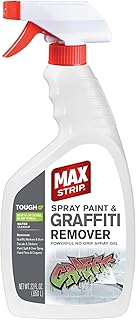
Best for: Quick, multi-surface graffiti removal in residential or commercial settings. This fast-acting gel targets graffiti, markers, decals, and paint spills on brick, wood, metal, glass, and concrete. It contains no methylene chloride or NMP, reducing harsh chemical exposure. Use on confined or small spaces where odors matter. Apply, wait up to 15 minutes, then scrape away for clean surfaces.
Why chosen: It combines broad surface compatibility with a single-step application. The gel consistency minimizes drips and works without strong fumes, making it suitable for indoor or enclosed areas. Caveat: test on delicate finishes first to ensure no surface staining.
Lift Off Spray Paint & Graffiti Remover

Best for: Mid-sized projects on a variety of hard surfaces. This option emphasizes user-friendly, water-based cleaning with safe disposal of removed paint. It works well on concrete, brick, plastic, and metal. Caution: ensure adequate ventilation in enclosed spaces.
Why chosen: It provides a broad range of surface compatibility with a single product, helping maintain consistency on project sites. Limitation: larger or stubborn stains may require multiple applications.
Smart ‘n Easy Porous Surface Graffiti Remover
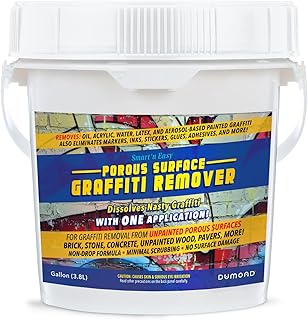
Best for: Porous surfaces where staining risk is higher. This gallon-size remover targets unpainted wood, brick, cement, and stone. The consumer-strength formula acts on aerosol spray paints, crayons, markers, and coats within about 30 minutes on dense textures.
Why chosen: Non-drip gel reduces surface damage to delicate porous materials. It’s ideal for exterior walls or patio areas where porous textures dominate. Limitation: test on very dark or highly textured surfaces to confirm complete removal.
Motsenbocker’s Lift Off 45406-2PK

Best for: Two-pack value and flexible use on several surfaces. This spray paint remover safely cleans spray paint, acrylic, enamel from concrete, brick, vehicles, signs, and more. It’s designed to break the bond without damaging the underlying surface, enabling safe disposal.
Why chosen: The two-pack stock is convenient for spare-use or larger projects. Limitation: as with many water-based removers, heavily baked coatings may require longer dwell times or multiple applications.
Pro Strength Cleaner For Graffiti

Best for: Exterior walls, signs, and vehicle exteriors needing a robust cleaner. The water-based, biodegradable formula covers graffiti, overspray, paint spills, and permanent markers on painted and non-painted surfaces.
Why chosen: It provides a strong cleaner option for multi-surface graffiti removal with safer environmental impact. Limitation: not designed for latex paints; verify surface compatibility before use.
Buying Guide: Key Considerations For Graffiti Removal
- Surface type: Porous vs non-porous surfaces affect product choice. Porous materials often need gentler, non-drip gels to avoid damage.
- Gel vs spray: Gels minimize drips in tight spaces, sprays cover larger areas quickly but may require masking surrounding edges.
- VOC and odor: For indoor use, choose products with low odor and fewer harsh fumes.
- Surface impact: Check if the remover harms paint or finishes you want to retain; some products are designed to be paint-safe or to preserve underlying coatings.
- Safety and disposal: Prefer biodegradable or water-based formulas when possible; ensure proper ventilation and follow disposal guidelines for removed material.
- Time and effort: Dwell times vary; plan for multiple applications on heavy graffiti or deeply embedded coatings.
- Surface type and color risk: Always test a small, inconspicuous area before full application to prevent staining or discoloration.
Frequently Asked Questions
- What surfaces can graffiti removers handle best?
Answer: They work well on brick, concrete, wood, metal, glass, and plastics, with some products tailored for porous surfaces like unpainted wood and masonry. - Should I use a gel or spray remover?
Answer: Gel formulations reduce drips and are good for indoor or confined spaces; sprays are faster for larger areas but may require precautions. - Are these removers safe on existing paint?
Answer: Some products are designed to be safe for existing paint surfaces; always read labels and test first on non-critical areas. - How long should I wait before scraping or rinsing?
Answer: Dwell times vary by product; common guidance is up to 15–30 minutes for gels, longer for stubborn applications. - Is ventilation important when using graffiti removers?
Answer: Yes, especially in enclosed or poorly ventilated spaces; choose low-odor or water-based formulas when possible. - Can I use these on vehicles?
Answer: Many products are safe for vehicle exteriors, but confirm compatibility with automotive finishes on the product page.