Answering the buyer’s search intent, this guide highlights practical rust-removal options for cast iron tubs and nearby surfaces. It explains who each product is best for, with cautions to avoid damage. This selection includes gel-based, spray, and cream formulations to handle both vertical and horizontal surfaces commonly found in bathrooms and kitchens. The goal is to help you choose an effective rust remover that’s easy to use and suited to hard-water or mineral buildup often found on cast iron fixtures.
| Product | Ideal For | Why It Stands Out |
|---|---|---|
| Iron OUT Rust Stain Remover Spray | Vertical surfaces, showers, tubs | Cling gel that dissolves rust on contact with no scrubbing required |
| CLR Brands Calcium Lime & Rust Remover | Bathrooms and kitchens with mineral buildup | Multi-surface spray tackles calcium, lime, and rust; versatile for whole-home use |
| Rust-Oleum Rust Dissolver Gel | Metal tools and cast iron components | Thick gel adheres to metal surfaces and works fast without scrubbing |
| Pro-Strength Hard Water Stain Remover | Shower doors, tile, and vertical surfaces | Thick, clingy formula for hard-water and mineral buildup |
| KOHLER Cast Iron Cleaner | Enamelled cast iron kitchen/bath surfaces | Nonabrasive cream to restore shine and remove rust without scratching |
Iron OUT Rust Stain Remover Spray (24 oz)

Best for vertical surfaces and hard-to-reach areas, this heavy-duty rust remover uses a cling gel that dissolves rust on contact. It’s formulated to rinse away tough stains without scrubbing, making it suitable for showers, tubs, sinks, and tile. It is marketed as septic-friendly when used as directed, which can be advantageous for homes with septic systems.
Who it’s best for: Homeowners or renters facing stubborn rust stains in bathrooms or kitchens who want a no-scrub solution. It’s especially helpful for vertical surfaces where traditional liquids don’t cling well.
Why selected: The product is long-trusted with a gel formulation that clings and works on contact, reducing the effort needed for rust removal. The no-scrub claim aligns with busy households seeking quick results.
Caution / Limitation: Test on a small inconspicuous area first to ensure colorfastness on certain surfaces. The product is designed for removal of rust stains, not for broad metal restoration.
CLR Calcium Lime & Rust Remover (22 oz Spray)

This multi-surface cleaner tackles rust, calcium, and lime deposits across bathrooms and kitchens. It’s designed for a broad range of materials, including stainless steel, ceramic tile, glass, and porcelain, making it a versatile option in a household cleaning toolkit.
Who it’s best for: Homes with multiple rust and mineral issues across different surfaces, seeking a single product for bathroom and kitchen cleaning.
Why selected: Its broad surface compatibility makes it easier to use in diverse cleaning tasks, reducing the need to switch products for different areas.
Caution / Limitation: As with all spray cleaners, ventilation is advised, and avoid mixing with other cleaners to prevent chemical interactions.
Rust-Oleum Rust Dissolver Trigger Spray Gel

This heavy-duty gel clings to iron and steel, dissolving rust quickly without scrubbing. It’s particularly useful on metal tools, grills, bolts, and other hard-to-clean metal surfaces often found near cast iron tubs or accessories. The product highlights a quick-action formula that works within minutes with a rinse-and-wipe finish.
Who it’s best for: Homeowners needing a fast, gel-based rust remover for metal parts and fixtures closely associated with cast iron installations.
Why selected: The spray gel’s cling capability helps when rust is stubborn or on vertical metal surfaces where liquids might not stay in place long enough to work.
Caution / Limitation: Avoid prolonged contact on sensitive coatings; test on an inconspicuous area first if applying to decorative or coated surfaces.
Pro-Strength Hard Water Stain Remover
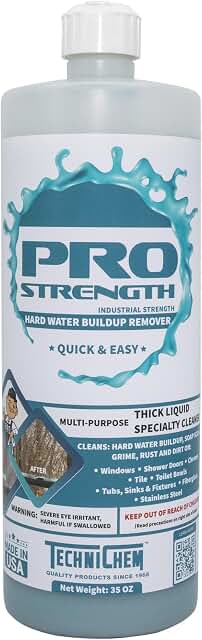
ProStrength offers a thick, clingy formula designed to remove hard water minerals and rust-related buildup from vertical surfaces such as shower doors and tile. The product’s emphasis on mineral removal makes it a practical option for repeated cleaning where hard water is a persistent issue.
Who it’s best for: Bathrooms with heavy mineral buildup on tile, glass, and shower doors, where a clingy cleaner can stay in place during treatment.
Why selected: Its dedicated focus on hard water stains complements rust-removal needs, providing a broader solution for mineral-related discoloration.
Caution / Limitation: For very delicate surfaces or coatings, conduct a spot test first to confirm compatibility with the cleaner’s acidity level.
KOHLER Cast Iron Cleaner (8 oz)

This nonabrasive cream cleaner is designed to clean and restore enameled cast iron surfaces while removing rust and blemishes. It’s labeled for kitchen and bathroom use and aimed at preserving the shine of enamel finishes without scratching them.
Who it’s best for: Owners of enamel-coated cast iron fixtures who want a gentle, polishing cleaner that preserves gloss and minimizes wear.
Why selected: The nonabrasive formula helps maintain the integrity of enamel surfaces while removing rust and minor imperfections, making it suitable for routine upkeep.
Caution / Limitation: Not ideal for heavy rust on bare cast iron; best used as a maintenance cleaner on enamel finishes rather than as a heavy-duty rust remover.
Buying Guide: Key Purchase Considerations
- Surface Type: For enamel-coated cast iron, prefer nonabrasive or gel-based cleaners that protect the finish. For bare cast iron or metal hardware, stronger rust dissolvers or gels may be more effective.
- Application Method: If you’re cleaning vertical surfaces, choose a cling gel or spray with good surface retention to reduce drips and labor.
- Presence of Minerals: Hard water stains often accompany rust. A product that targets both minerals and rust can streamline cleaning.
- Ventilation and Safety: Many rust removers contain acids or strong cleaners. Use in a well-ventilated area and follow safety instructions, including protective gloves.
- User Type: For renters or busy households, no-scrub or fast-acting formulas reduce labor and allow quick resets of bathroom and kitchen fixtures.
- Surface Sensitivity: Always test a small, hidden area before applying to exposed surfaces to avoid discoloration or coating damage.
FAQ
- Will rust removers damage enamel on cast iron? Some products are specifically nonabrasive and safe for enamel. Always test first and follow label directions to minimize risk.
- Can I use rust remover on old, pitted cast iron? Many rust removers are designed for surface rust; deeper pitting may require professional refinishing or alternative restoration steps.
- Are rust removers safe for septic systems? Some products state septic-friendliness when used as directed; verify the label for septic-safety claims.
- What’s the best method for heavy rust on tubs? A cling gel or heavy-duty rust dissolver that stays in place on vertical surfaces tends to work best, followed by a thorough rinse.
- Should I mix rust removers with other cleaners? No. Mixing cleaners can create hazardous fumes or reactions; use products separately as directed.
- How often should I treat mineral buildup? For homes with hard water, periodic treatment may prevent heavy rust staining and keep enamel surfaces looking new.