Protecting hands from harsh chemicals, solvents, and contaminants is essential in labs, workshops, cleaning tasks, and industrial settings. The following hand protection options focus on chemical resistance, durability, and comfort. Each product below is selected for its ability to resist acids, alkalis, solvents, and wear, while remaining flexible enough for prolonged use. Read on to compare materials, lengths, and features to find the right glove for your needs.
| Product | Material | Length / Size | Notable Feature | Used For |
|---|---|---|---|---|
| Wells Lamont Heavy Duty PVC Coated | PVC-Coated Rubber | 12-Inch Cuff / Large | Chemical and Abrasion Resistant | Industrial, Chemical Handling |
| ROYAKI Chemical Resistant Latex Gloves | Latex with Rubber | 12.6″ / Large | Diamond Pattern Grip | Cleaning, General Lab Work |
| ThxToms Nitrile Gloves | Nitrile | 1 Pair / Medium | Heavy-Duty Chemical Resistance | Lab, Industrial Cleaning |
| Potchen 20 Pairs Nitrile Gloves | Nitrile | 13″ / X-Large | Bulk Pack, Extended Cuffs | Routine Cleaning, Maintenance |
| Haiou PVC Long Gloves | PVC Rubber | 25″ / Large | Long-Length Arm Protection | Washing, Aquarium, Garden |
Wells Lamont Heavy Duty PVC Coated Gloves

Wells Lamont offers a heavy-duty rubber glove with a protective PVC coating designed to resist a broad range of chemicals, including acids, bases, detergents, and adhesives. The sturdy PVC layer provides chemical resistance while maintaining flexibility, enabling comfortable use in cold environments. A seamless cotton lining enhances comfort and eases glove removal during long tasks. The 12-inch cuff helps protect wrists and forearms during handling of splashes or splatters. These gloves balance durability with user comfort, making them suitable for repeated chemical exposure in industrial settings.
ROYAKI Chemical Resistant Latex Gloves
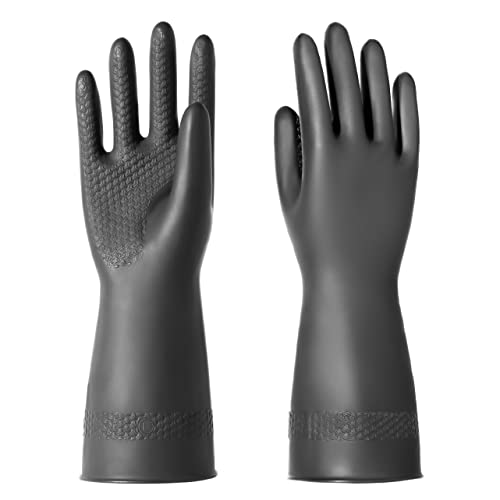
ROYAKI’s latex gloves emphasize elasticity and grip, offering good dexterity with reliable protection against alkalis, alcohols, and acetone. The natural rubber material supplies warmth and flexibility, while the diamond-pattern texture improves friction for a secure hold on small objects. These gloves are designed for chemical exposure encountered in cleaning duties and light lab tasks, delivering a comfortable fit that resists slipping during routine handling. Consider these when you need a combination of grip, flexibility, and broad chemical compatibility.
ThxToms Chemical Resistant Nitrile Gloves

ThxToms nitrile gloves combine heavy-duty chemical resistance with a balance of protection and dexterity. With a thickness around 15 mils, these gloves resist a wide range of industrial solvents, cleaners, and other harsh substances while remaining flexible for all-day wear. The textured, diamond-pattern palm provides a non-slip grip, improving control during dishwashing, repairs, or chemical handling. The ergonomic design helps reduce fatigue, making these a practical option for prolonged tasks that require tactile sensitivity and reliable protection.
Potchen 20 Pairs Chemical Resistant Nitrile Gloves

This bulk pack from Potchen provides twenty pairs of heavy-duty nitrile gloves. The gloves are designed to resist acids, alcohols, acetone, and alkalis, offering strong barrier protection for daily wear and replacement needs. They come in multiple sizes, including X-Large, and feature extended cuffs to protect wrists and forearms from splatters and abrasives. The nitrile material provides durability, elasticity, and a waterproof barrier, suitable for cleaning, maintenance, and industrial tasks where chemical contact is common.
Haiou PVC Long Gloves for Chemical Work

Haiou’s long PVC gloves extend to about 25 inches, offering substantial arm protection for tasks with potential splashes or chemical contact above the wrists. The gloves are designed to be thick and durable, providing a reliable barrier for cleaning, aquarium maintenance, garden work, and industrial processes. The elastic cuff helps keep the gloves in place, reducing the risk of slipping during extended wear. These gloves are well suited for users who need extra length and forearm protection in chemical-heavy environments.
ThxToms Chemical Resistant Long Gloves

ThxToms long gloves extend protection with a 18-inch length, providing coverage for forearms during heavy-duty cleaning, gardening, or industrial tasks. The gloves are designed for tear and chemical resistance, featuring a secure grip and puncture resistance. They are suitable for environments where longer sleeve protection is beneficial to prevent chemical splashes from contacting skin. The fit and finish aim to combine durability with comfortable wear for extended periods.
ROYAKI Chemical Resistant Industrial Gloves
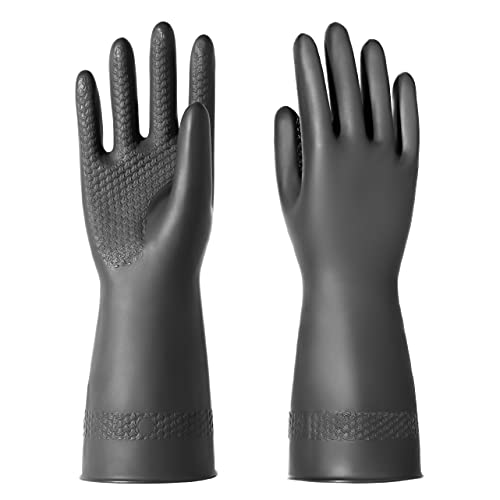
ROYAKI’s 12.2-inch industrial gloves offer rubber-based protection with a durable finish designed to resist alkalis, alcohols, and acetone. The textured grip helps prevent slipping during manipulation of small parts or tools, while the flexible material aids in maintaining dexterity. These gloves are appropriate for jobs that require reliable chemical resistance combined with a comfortable, steady grip and a reasonable length for forearm protection during routine tasks.
Buying Guide: Key Purchase Considerations And Comparisons
Material choice should align with the typical chemicals you handle. Nitrile offers excellent chemical resistance and a comfortable, puncture-resistant option for many solvents. Latex provides good elasticity and comfort but can be sensitive to certain chemicals and may not be ideal for prolonged exposure to strong solvents. PVC-coated or PVC gloves provide strong chemical resistance and durability, often with good cut and abrasion resistance, but can feel stiffer in very cold conditions.
Length and cuff design matter for forearm protection. Shorter gloves are easier to maneuver but offer less splash protection, while long gloves shield forearms during splatter-prone tasks. Extended cuffs on nitrile or PVC gloves can prevent chemical contact to wrists and forearms. Fit and sizing are essential for tactile control and safety; ensure the size allows comfortable motion without excessive pinching or looseness that could cause slippage.
Thickness and tactile sensitivity influence performance. Thicker gloves (8–20 mil) provide stronger chemical barriers but may reduce dexterity. For intricate tasks, a moderate thickness around 6–10 mils with textured grip can balance protection and control. Consider the lining; some gloves have cotton or seamless linings to improve donning and comfort during long wear periods.
Usage context should guide selection. For labs handling caustic cleaners or hydrocarbons, prioritize chemical resistance and a secure grip. For maintenance or cleaning in wet environments, look for waterproof, abrasion-resistant materials with good flexibility. In medical or food-related settings, ensure gloves meet any applicable safety standards and are free of latex if allergies are a concern. Finally, consider value packs when frequent replacement is needed, aiming for a balance between cost and performance.