Finding the right sink protector means balancing size, material, and drain location to keep stainless steel pristine. This guide highlights five reliable options, explaining who each is best for, and why they stand out. It’s ideal for homeowners with single or dual-bowl stainless steel sinks seeking long-lasting protection and easy maintenance. The table below summarizes key picks to help you compare at a glance.
| Product | Best For | Size / Drain |
|---|---|---|
| Serene Valley NLW2614C | Medium single-bowl sinks with centered drain | 26-1/16″ x 14-1/16″; Center Drain |
| MONSINTA 26″ x 14-1/16″ | Durable stainless steel grid for bottom protection | 26″ x 14-1/16″; Rear Drain |
| Bestjing Silicone Sink Protector | Flexible, heat-resistant option for large single bowls | 26″ x 14″; Rear Hole |
| SunnyPoint 16.15″ x 12.4″ | Smaller second sink or compact spaces with centered drain | 16.15″ x 12.4″; Center Drain |
| SUZLON 2Pack | Budget-friendly dual-pack for multiple sinks | 13.2″ x 11.6″; Rear Drain |
Serene Valley NLW2614C Sink Protector Grid
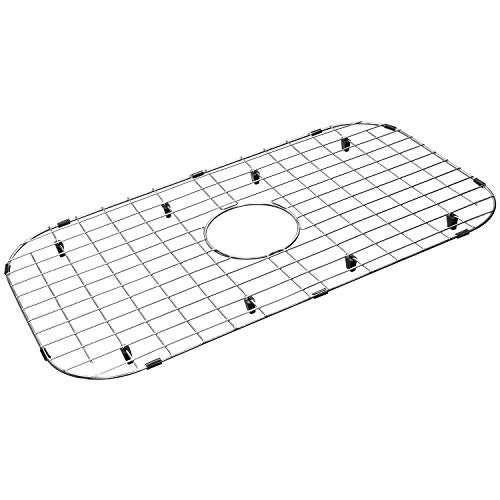
Material: 304 stainless steel. Grid dimensions: 26-1/16″ x 14-1/16″ with a 3-1/2″ corner-radius and a centered drain. The product notes advise measuring the sink bottom to ensure a fit, with about 1/2″ extra on each side for easy insertion and removal. This model is best for medium to large single-bowl sinks with a centered drain location. It’s suited for buyers who want a sturdy metal grid that blends with stainless steel while providing a stable surface. A potential limitation is the need for careful sizing to avoid a tight fit or overhang. Best when you want a fixed, in-sink grid with straightforward cleaning.
MONSINTA 26″ x 14-1/16″ Stainless Steel Sink Grid

Material: Stainless steel. Size: 26″ x 14-1/16″ with a rear drain location. Described as a kitchen sink grid and rack, it emphasizes sturdy metal construction for bottom protection. This option is well-suited for single-bowl sinks where the drain is offset toward the rear, helping position utensils and cookware away from the drain. Limitations may include slightly heavier weight, which can affect placement in very shallow sinks. Choose this if you prefer a robust steel grid with rear-drain alignment for easy drainage.
Bestjing Silicone Sink Protector Mat

Material: Rustproof silicone. Size: 26″ x 14″ with a rear hole. The mat protects the sink bottom while providing a soft cushion for delicate items. It’s flexible, heat-resistant, and less prone to rust than metal grids. Best for households seeking a non-scratch option that also cushions fragile items, such as glassware. A drawback is that silicone can collect residues more easily and may require more frequent cleaning to prevent staining. Choose this for gentle protection and flexibility in larger single-bowl sinks.
SunnyPoint 16.15″ x 12.4″ Stainless Steel Rack

Material: 304 stainless steel. Size: 16.15″ x 12.4″ with a center drain hole requirement. This model targets smaller or secondary sinks and emphasizes rust resistance and drainage support. It is best for users with compact or secondary sinks seeking a sturdy grid to prevent scratches. A potential limitation is its smaller footprint, which may not cover a larger sink bottom. Ideal when you need a compact steel grid with reliable drainage in a secondary basin.
SunnyPoint 304 Stainless Steel Sink Protector Rack (16.15″ x 12.4″)

Material: 304 stainless steel. Size: 16.15″ x 12.4″ with a center drain hole requirement. This option emphasizes rust resistance and drainage support for smaller or auxiliary sinks. It’s suitable for buyers who want a durable metal grid that fits compact basins while keeping the bottom well-ventilated. A note: verify the drain location before purchase to ensure compatibility. Best for space-conscious setups and center-drain configurations.
Buying Guide
What should I consider before buying a sink protector grid?
- Drain location: Center versus rear drain affects alignment and fit. If your sink’s drain is not centered, a rear-drain model may be better.
- Material: Stainless steel offers durability and rust resistance; silicone mats provide a flexible, cushion-like protection but may require more cleaning.
- Size accuracy: Measure your sink bottom dimensions and compare to the grid size to avoid overhang or tight fits. Allow about 1/2″ extra on each side when possible.
- Mounting and access: Some grids sit flush on the sink bottom; others elevate slightly with feet. Consider cleaning ease and water drainage when choosing.
- Single vs. double bowls: For double-bowl sinks, ensure the protector covers the intended bowl or choose a model sized for the larger area.
Size And Fit Checklist
- Measure bottom length and width of your sink bowl.
- Record drain location and diameter to match rear or center configurations.
- Compare with grid dimensions including corner radii and any raised feet.
Maintenance Tips
- Regularly wipe metal grids with a mild detergent to prevent water spots and mineral buildup.
- For silicone mats, hand wash or use a gentle cycle; avoid high heat that could warp the mat.
- Dry thoroughly before reinserting to prevent mold or rust on metal grids.
Frequently Asked Questions
- Q: Do stainless steel sink grids rust over time? A: Stainless steel is chosen for corrosion resistance, but rust can occur if the surface is damaged or if exposed to harsh chemicals.
- Q: Will a sink protector affect drainage? A: Front-to-back or center-positioned drain protectors are designed to allow normal drainage, but verify the drain hole alignment before purchase.
- Q: Are silicone mats better than metal grids? A: Silicone mats cushion items and resist rust, while metal grids offer greater durability and ventilation. Choice depends on usage and sink material.
- Q: How do I measure for a fit? A: Use a tape measure to record the bottom interior length and width of the sink bowl, then compare with the grid’s listed dimensions.
- Q: Can I use these in farmhouse sinks? A: Yes, especially models sized for larger, single-bowl spaces. For farmhouse sinks, confirm overall length is compatible with the basin interior.
- Q: Do grids come with installation hardware? A: Most grids are standalone inserts; none require additional mounting hardware for basic use.