Answering the common buyer question: which stain remover works best on clothes for various stain types? This article highlights five effective options, clarifying who each product is best for, and why. It focuses on safe, practical choices for families, busy households, and those facing tough or set-in stains. The featured products include baby-friendly formulas, heavy-duty gels, enzymatic solutions, portable pens, and specialty restorers for vintage fabrics. A quick comparison table is provided below to help you decide at a glance.
| Product | Best For | Key Benefit |
|---|---|---|
| Miss Mouth’s Messy Eater Stain Treater Spray | Families with babies and toddlers | EPA Safer Choice; fast-acting on fresh and set stains |
| Shout Advanced Laundry Stain Remover Gel | Heavy-duty, tough stains | Powerful gel formula; high stain-fighting power |
| Stain Fix Blood Stain Remover | Blood and set-in stains | Enzyme-based; effective on fresh and old stains |
| Tide Stain Remover Pen | On-the-go quick fixes | Instant spot removal; portable & mess-free |
| Dr. Beckmann Upholstery Stain Remover | Upholstery, car seats, fabrics | 3-minute results; odour neutralization |
Miss Mouth’s Messy Eater Stain Treater Spray

Best for infants, toddlers, and busy households needing a baby-friendly option. This spray offers fast action on multiple common stains, including fruit juice, baby foods, ketchup, and even blood. The formula is EPA Safer Choice certified, aligning with health and safety standards for home use.
Why chosen: It combines safety with effectiveness, making it a practical everyday stain remover for garments, upholstery, and light fabrics. Use on fresh stains for best results. A potential limitation is that extremely stubborn or set-in odors may require additional treatment.
SHOUT Advanced Laundry Stain Remover Gel

Best for heavy-duty, tough stains such as food, drinks, makeup, grass, and red wine. The thick gel formula stays on the stain to break it down before washing, offering more stain-fighting power than some other types. It’s also noted for using recycled plastic in packaging.
Why chosen: Excellent for weekly laundry cycles with stubborn stains, especially in households with active lifestyle. Caution: Like many gels, it can be less effective on very delicate fabrics when used in high concentrations; follow label directions to minimize fabric concern.
Stain Fix Blood Stain Remover

Best for blood and period stains on clothes, mattresses, and sheets. It uses an enzyme formula designed to break down protein-based stains and claims effectiveness on both fresh and dried stains. It’s formulated for use on multiple fabrics including bedding and casual wear.
Why chosen: The enzyme approach targets protein-based stains directly, improving chances on tricky blood marks. Limitation: Enzyme cleaners can be less effective on non-protein stains; pair with a second stain remover for mixed stains.
Tide Stain Remover Pen
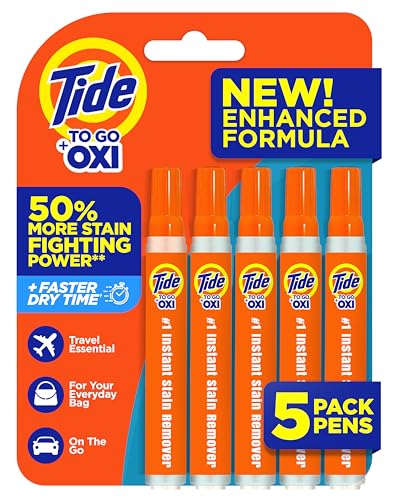
Best for on-the-go quick fixes. The portable pen design stops stains on the spot, making it ideal for travel, work, or school bags. It promises no mess and avoids bleach, suitable for colorfast fabrics.
Why chosen: Convenience is its strength. Choose this if you need a compact solution for fresh spills. Limitation: It’s best for small, fresh stains; heavy or set-in stains may require a fuller wash or alternative product.
Dr. Beckmann Upholstery Stain Remover

Best for sofas, car seats, and other upholstery where stains and odors linger. This remover is designed to work quickly on dried-in stains and help neutralize odors, with an applicator brush included for targeted treatment.
Why chosen: It extends stain removal beyond clothing into home fabrics, offering a practical option for living spaces. Limitation: Applicator performance can vary with deeply textured fabrics; test on a hidden area first.
Buying Guide: What to Look For in a Stain Remover
Stain type matters. Enzyme-based products excel on protein-based stains (blood, grass, dairy), while solvent or gel formulations can tackle oily and stubborn spots. Consider fabric type and care labels to avoid damage.
- Stain Type: Protein vs. tannin vs. oil-based stains. Choose accordingly to maximize effectiveness.
- Fabric Compatibility: Check if it’s safe for colors, delicates, or upholstery. Look for “safe for fabrics” or “colorfast” claims when relevant.
- Application Form: Pens are portable; gels and sprays offer heavier cleaning power; foams and creams can cover larger areas.
- Safety and Odors: EPA Safer Choice or similar certifications suggest safer home use. Odor-neutralizing features help for textiles and carpets.
- Usage Instructions: Pre-treat time, rinse requirements, and wash settings impact results. Avoid heat until stains are removed to prevent setting.
Frequently Asked Questions
- What stain remover is best for red wine?
– A gel or enzymatic remover designed for tough stains often performs well, followed by washing in cold water to prevent set-in stains. - Can I use stain remover on all fabrics?
– Most products are safe for colorfast fabrics; always test on a hidden area and follow the label for delicate materials. - Are on-the-go stain pens effective?
– They are convenient for fresh spills, but may not remove set-in stains without a full wash cycle. - Should I pre-treat before washing?
– Yes. Pre-treating increases the likelihood of stain removal, especially for tough or old stains. - Do enzyme cleaners work on dried stains?
– Enzyme cleaners can help with dried stains that are protein-based, though performance improves with rehydration and time. - Is it safe to use stain removers on upholstery?
– Some products are formulated for upholstery; check the label and test on an inconspicuous area first.