Whether you’re restoring a vintage tool, reviving a car frame, or protecting outdoor equipment, selecting the right rust spray matters. This guide highlights five reliable options designed to dissolve, convert, or seal rust on metal surfaces. Each option targets different needs: quick rust removal, direct-to-metal painting, or long-lasting corrosion protection. Best for DIY enthusiasts, automotive hobbyists, and outdoor gear owners looking for durable and easy-to-use solutions.
| Product | Best For |
|---|---|
| Rust-Oleum Rust Dissolver Trigger Spray Gel | Heavy rust removal on tools, cars, bikes, and grills |
| AGS RUST SOLUTIONS Rust Stop Spray Paint | Direct rust sealing on metal surfaces with no sanding |
| Rust-Oleum Stops Rust Corrosion Inhibitor Spray | Moisture barrier and clear protection for metal |
| Rust-Oleum Stops Rust Reformer Spray | Converting rust to a paintable surface for easy coating |
| Rust-Oleum 7780830 Clean Metal Primer Spray | Primer for heavily rusted surfaces to promote topcoat adhesion |
Rust-Oleum Rust Dissolver Trigger Spray Gel

Features: Tougher rust remover that clings to iron and steel; dissolves medium to light rust in 10–30 minutes; no scrubbing required—rinse and wipe to ready the surface for painting.
Best for: Home shops and hobbyists dealing with tools, bolts, grills, bikes, and other metal parts with surface rust. This spray gel suits users who want a fast, gel-based application that stays in place during treatment. A potential limitation is heavier rust that may require multiple applications.
Rust-Oleum Stops Rust Rusty Metal Primer Spray
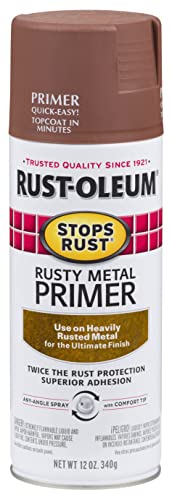
Features: Oil-based primer designed for heavily rusted surfaces; durable rust prevention; dries to touch in 15–30 minutes and covers 10–12 sq ft per can.
Best for: Projects where a robust base coat is needed before top coating, especially exterior or interior metal items exposed to moisture. Limitation:primer alone does not seal, so a topcoat is required for full protection.
Rust-Oleum 249331 Automotive Rusty Metal Primer Spray
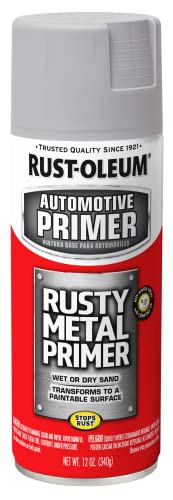
Features: Primer designed to protect heavily rusted surfaces; oil-based with Stops Rust formula provides rust-resistant base coats for vehicles; covers up to 12 sq ft and dries in about 15 minutes.
Best for: Automotive restoration and metal parts with significant rust needing a reliable base coat. Caution: oil-based primers require adequate ventilation during use and proper disposal of cans.
AGS RUST SOLUTIONS Rust Stop Spray Paint

Features: Direct-to-metal spray with epoxy fortification; bonds to rust without sanding; covers 10–12 sq ft per 14 oz can; withstands 300°F and heavy salt spray testing; durable adhesion reduces chipping and peeling.
Best for: Quick rust sealing on metal surfaces where prep work is limited. Limitations: spray coverage can vary with surface texture and porosity; ensure proper ventilation during use.
Rust-Oleum Stops Rust Corrosion Inhibitor Spray

Features: Clear anti-rust coating forming a long-lasting moisture barrier; protects metal from moisture and environmental exposure; semi-gloss finish that preserves appearance without changing look.
Best for: Outdoor tools and exposed hardware where aesthetics matter and a transparent, protective layer is preferred. Limitation: it does not build a heavy coating; for rough or pitted rust, combine with a rust converter or primer first.
Buying Guide
What is the best choice for heavy rust removal?
For heavy rust, a dedicated rust dissolver or rust remover spray is often more effective than a primer alone. The Rust-Oleum Rust Dissolver Gel is designed to cling to metal and dissolve rust quickly with minimal scrubbing, making it ideal for stubborn spots on tools and hardware.
Do I need a primer or a converter?
If you plan to paint over metal, primers like Rust-Oleum Stops Rust Rusty Metal Primer or the Automotive Rusty Metal Primer help prevent further corrosion and improve adhesion. Reformer sprays convert rust into a paintable surface, simplifying the process when edge-to-edge coverage isn’t feasible.
Is a clear corrosion inhibitor spray enough for outdoor use?
Corrosion inhibitors provide a protective moisture barrier while preserving the metal’s natural look. They’re best for tools, hardware, or equipment where visibility or color consistency matters. For high-walt humidity or marine environments, pairing with a primer or paint layer offers stronger long-term protection.
What about spray coatings that claim “no sanding required”?
Sprays that claim minimal prep can save time, but ensure the surface is clean and dry. In some cases, light cleaning or degreasing improves adhesion and longevity. When rust is extensive, some preparation may still be beneficial for best results.
How to choose based on the metal type?
Different formulas are optimized for iron, steel, aluminum, or coated surfaces. In general, epoxy- and oil-based products provide stronger adhesion and longer protection on ferrous metals, while clear coatings work well on non-ferrous surfaces when aesthetics matter.
Quick reference: product highlights
- Best for quick rust dissolution: Rust-Oleum Rust Dissolver Gel.
- Better for direct rust sealing with no prep: AGS Rust Stop Spray Paint.
- Choose this for a clear moisture barrier: Stops Rust Corrosion Inhibitor Spray.
- Opt for rust-to-paint conversion: Stops Rust Reformer Spray.
- Best primer base for heavy rust: Clean Metal Primer Spray.
FAQ
- Q: Can I use these products on aluminum? A: Some products are formulated for ferrous metals; always check the label for compatibility with aluminum to avoid discoloration or poor adhesion.
- Q: How long should I wait between coats? A: Dry times vary by product; typical recoat windows are 15–30 minutes for cans labeled “dries to the touch.”
- Q: Is a top coat required after primer or reformer? A: Yes, applying a top coat protects the surface and extends the life of the repair.
- Q: Will these products prevent rust in outdoor, salty environments? A: Some products are designed for outdoor protection; for harsh conditions, combine a rust converter or reformer with a corrosion inhibitor and topcoat for best results.
- Q: Do I need to remove all rust before applying primer or sealer? A: Heavy rust may benefit from surface prep, but many products are designed to work with minimal sanding depending on user instructions.