Answering the search for tile-friendly steam mops, this guide spotlights models that excel on sealed tile floors while remaining gentle on surrounding surfaces. Ideal buyers include busy households needing quick, chemical-free sanitization, pet owners seeking odor and stain control, and those who want versatile cleaners that handle multiple floor types. Below you’ll find five top options, each with a clear use-case and practical trade-offs to help you choose the best fit for tile cleaning.
| Product | Best For | Key Advantage | Limitations |
|---|---|---|---|
| Shark S1000 Steam Mop | Light, chemical-free daily tile cleaning | Removable water tank and light design | Refill interruptions possible on large areas |
| Wotaste Steam Mop | All-floor types including tile | High-temperature steam in 15 seconds | Some users may want stronger scrubbing power |
| BISSELL 1940A PowerFresh | Daily tile and hardwood with built-in scrubber | Built-in Easy Scrubber for tough grime | Steam settings may be less intense for very set-in grime |
| Shark S3501 Steam Pocket Mop | Tile and sealed floors with dual-sided pads | Two-sided pads extend cleaning sessions | Pad maintenance needed for best results |
| Amazon Basics Steam Mop | Budget-friendly chemical-free tile cleaning | Fast heat-up and three pads | Lower-end features compared to premium models |
Shark Steam Mop S1000 – Lightweight Tile Cleaner

The Shark S1000 uses steam to sanitize sealed hard floors with no chemicals. It includes a removable water tank for quick refills and a lightweight design under 5 lbs, making it easy to maneuver on tile grout and corners. Best for light daily cleaning and households that want a hassle-free setup, especially in small to medium spaces. Caution: refilling during long sessions can interrupt cleaning flow.
Wotaste Steam Mop – All‑Purpose Tile Cleaner
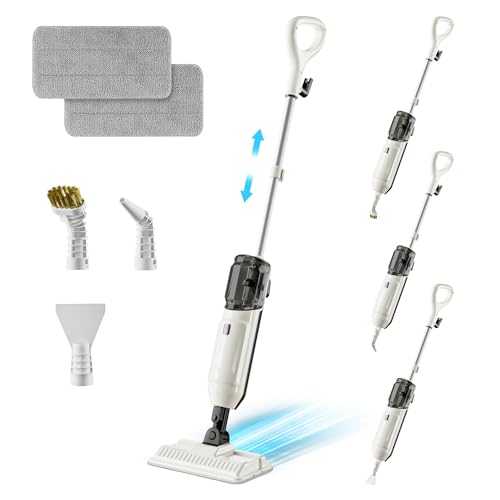
This model delivers high-temperature steam (260°F) in about 15 seconds, enabling deep cleaning on tile and other surfaces. It’s designed to be safe for families and pets by relying on chemical-free steam. Choose this if you want a versatile floor steamer that handles hardwood, tile, laminate, and vinyl with a single device. Limitation: may require more frequent button presses for different floor types.
BISSELL 1940A PowerFresh – Scrubber + Steam

From Bissell, this model offers 3 steam settings to handle quick refreshes, everyday dirt, and tough messes. The built-in Easy Scrubber helps tackle dried-on grime and grout buildup without extra tools. Best for homes needing a reliable, mid-range option that cleanly sanitizes tile with flexible steam intensity. Caution: the scrubber is most effective when used as directed with appropriate pad settings for grout lines.
Shark S3501 Steam Pocket Mop – Dual-Sided Pads
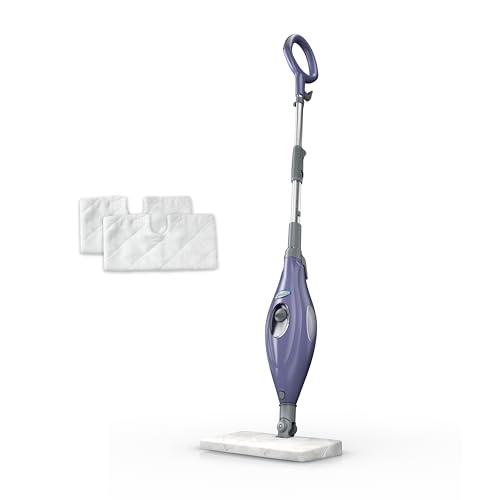
The Shark S3501 features dual-sided pads and stronger sanitization with steam. Its lightweight build and swivel design help reach tight spaces and grout lines between tiles. Best for households that prefer extended cleaning sessions with fewer pad changes. Limitation: maintaining pad cleanliness is essential to prevent lower performance on heavy soils.
Amazon Basics Steam Mop – Budget Tile Cleaner

Amazon Basics offers a cost-effective option with 3 washable pads and a 20-foot cord for easy reach across rooms. It heats quickly and provides chemical-free cleaning with 1200 watts of power. Best for those who want a straightforward, no-frills steam mop for sealed tile floors. Caution: lower price often correlates with fewer premium features or accessories.
Buying Guide: Key Considerations For Tile Steam Mops
Power and heat: Look for models that reach high temperatures quickly and maintain consistent steam output to dissolve grime on tile grout. High-temperature steam is essential for chemical-free sanitization on sealed surfaces.
Floor compatibility: Ensure the mop is suitable for tile and other surfaces you may clean, such as hardwood or laminate. A versatile model reduces the need for multiple cleaners.
Tank design and run time: Removable tanks or larger capacity tanks add convenience for larger areas. Consider how often you’ll need to refill during a cleaning session.
Pads and scrubbing features: Double-sided or scrubbing pads help with tough grime and grout. Built-in scrubbers can provide extra power without manual scrubbing.
Weight and maneuverability: A lighter mop reduces fatigue on tile floors, especially when cleaning for longer periods or around furniture and corners.
Maintenance: Check pad durability and how easy it is to wash or replace pads. Chemical-free cleaning is more straightforward when pads are reusable and easy to maintain.
Frequently Asked Questions
- What is the main advantage of a steam mop for tile floors? Steam mops sanitize using only water, helping reduce bacteria without chemical cleaners on sealed tile.
- Can steam mops damage grout or grout lines? If used with appropriate settings and pads, steam mops are generally safe for grout; avoid excessive heat or prolonged moisture on delicate grout.
- Do all tile floors require different settings? Some tiles need gentler steam, while others tolerate higher heat. Look for models with adjustable steam levels for tile and other surfaces.
- Is a bigger water tank always better? A larger tank reduces refills but adds weight. Choose based on room size and your patience for refilling during a session.
- Are chemical-free options as effective as traditional cleaners? Yes, when the steam reaches high enough temperature and the cleaning head is appropriate for the surface, it can remove grime effectively on sealed tile.
- What maintenance do steam mops require after tile cleaning? Empty and dry tanks, rinse pads, and clean the mop head to prevent residue buildup and ensure optimal steam performance.