Direct answer: for electronics, choose fast-curing, non-corrosive cyanoacrylate glues that offer precise dispensing, low residue, and good flexibility. This guide highlights top options ideal for delicate repairs on phones, laptops, jewelry, and small gadgets. Each pick targets a specific use case, from precision gel control to brush-and-nozzle versatility, so you can match the glue to your project and avoid common issues like clogging or brittle bonds.
Buyer-friendly overview: the table below summarizes the five selected products and their best-use scenarios. Use it as a quick-reference before diving into in-depth sections.
| Product | Best For | Key Benefit |
|---|---|---|
| Gorilla Super Glue, Fast-Setting | Small, precise electronics repairs | Impact Tough, anti-clog tube design |
| Gorilla Super Glue With Brush & Nozzle | Projects needing controlled application | Two dispensing methods for accuracy |
| Loctite Liquid Super Glue 2 Pack | General purpose on plastics, metals | No-clamping fast setting |
| Loctite Ultra Gel Control | Vertical surfaces and fine details | No drip, side-squeeze design |
| ALECPEA T-7000 | Precision electronics repairs | Needle dispenser, high elasticity |
Gorilla Super Glue, Fast‑Setting, 4 Tubes

Best for compact, precise repairs on tiny electronics projects. The four 3 g tubes offer accuracy for small assemblies and on‑the‑go fixes, with an anti-clog cap maintaining sealed integrity between uses. The Impact Tough formula supports durable bonds while curing quickly, typically in 10 to 45 seconds, which is useful for delicate components where handling time matters. Best for: small PCBs, jewelry fixes, and quick repairs in tight spaces.
Limitations: smaller tubes mean more frequent re‑application for larger jobs; ensure clean surfaces to maximize adhesion.
Gorilla Super Glue with Brush & Nozzle Applicator, Clear Glue

Best for projects requiring adjustable dispensing control. This glue provides two dispensing modes: a fine brush for precision and a precision tip for targeted spots. It bonds a wide range of materials including plastics, glass, wood, and metal, with an impact-tough bond designed to withstand vibrations common in electronic devices. Choose this if you need versatility in application and a reliable, fast-setting cure.
Limitations: brush applicator can dry out if left uncapped for long; recap promptly between uses to avoid clogging.
Loctite Super Glue Liquid, 2 Pack

Best for quick, flexible bonds on plastic, metal, and wood components found in electronics repairs. It offers a self-piercing tube for no-mess application and fast setting without clamps. This option is well-suited for small chassis repairs, label repairs, and non-structural fixes where a clear, discreet bond is preferred.
Limitation: not ideal for high-stress joints or outdoors unless combined with a protective coating; ensure compatible materials before use.
Loctite Super Glue Ultra Gel Control
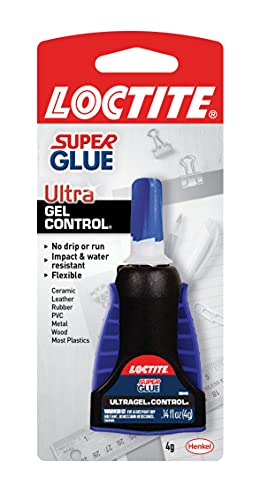
Best for vertical surfaces and detailed work where no drip is desired. The gel formula resists running, making it ideal for laptop hinges, interior casings, and other components that require precise application without flow. The side-squeeze design supports controlled placement, and the bond dries rapidly for small electronics assemblies.
Caution: gel consistency can be less forgiving on very porous surfaces; pre-clean and roughen slightly if needed for better adhesion.
ALECPEA T-7000 Black Adhesive Glue

Best for precision electronics repairs requiring high elasticity and waterproofing. The T-7000 adhesive delivers up to 900% elongation, maintaining integrity across flexing components such as flexible displays or battery connectors. It uses a needle dispenser and anti-clog cap for accurate, controlled application. Choose this if you need a robust, flexible bond on complex electronics assemblies.
Limitation: black color may affect visibility on some surfaces; test a small area first to ensure color match or concealment is acceptable.
Buying Guide: Key Purchase Considerations
What application surface matters? Electronics often use plastic, metal, glass, and composite materials. Look for cyanoacrylate variants that bond well across these substrates and offer low residue, clear drying, and minimal corrosion risk.
How important is dispensing control? Precision is critical in electronics. Gel, brush, and needle-dispense designs help apply glue exactly where needed without mess or run-off. Consider products with anti-clog caps or dual dispensing modes for flexibility.
What about flexibility and durability? Bonds should withstand minor vibrations and temperature shifts. Gel formulations and special elastomeric additives improve impact resistance and longevity in devices that are handled or heated during charging.
How fast should it set? Quick-drying glues save time but may require steady hands. If you work on delicate boards, a slightly longer open time with precise placement can prevent misaligned components.
Are clogs and residue a concern? For small electronics, clogged nozzle or clogged tips ruin projects. Anti-clog designs and moisture-sealed packaging help maintain performance across multiple uses.
What about color and visibility? Clear glues minimize visibility on light-colored plastics and transparent components. Some specialty glues come in black for dark surfaces or mixed colors for inconspicuous repairs.
Frequently Asked Questions
- What type of glue is safest for electronics?
– Look for cyanoacrylate glues labeled non-corrosive and designed for plastics, glass, and metals. Choose formulations with minimal heat release and clear finishing to avoid visibility on components. - Do I need a gel or a liquid for electronics?
– Gel glues are better for vertical or precise spots; liquids are often faster and provide stronger bonds on flat surfaces. Select based on the job’s orientation and surface texture. - Can these glues be used on batteries?
– Some cyanoacrylates are compatible with certain battery casings but avoid direct bonding of active battery cells. Always follow manufacturer guidance and test on a noncritical area first. - How should I prepare surfaces before applying glue?
– Clean with isopropyl alcohol, ensure dry surfaces, and lightly roughen plastic or metal as needed to improve adhesion. Remove dust and oils for best results. - Will glue damage electronics heat shields or coatings?
– Some glues can react with coatings or paints. Use a small test area and apply sparingly to avoid unwanted reactions or discoloration. - How long does curing take?
– Instant bonds often set within 10–45 seconds for cyanoacrylates, but full strength can take several minutes. Allow adequate cure time before stressing the joint.