Answering the question “which tape is best for mounting prints,” this guide compares archival hinging tapes, acid-free mounting tapes, and double-sided adhesives ideal for framing, matting, and display. The top picks suit different buyers: artists and gallery framers prefer archival, non-yellowing tapes; hobbyists want easy, removable options; and professionals seek durable, solvent-free adhesives. Below, you’ll find five proven choices with clear uses, benefits, and limits to help you decide which tape fits your project.
| Product | Best For | Why It Was Included |
|---|---|---|
| TSSART Linen Hinging Tape | Archival framing and mat mounting | Acid-free linen with removable backing for precise, clean hinges |
| Lineco Reverse Wound ATG Tape | General mounting on paper, wood, plastics, metals | Acid-free, clear adhesive with wide framing use |
| EZlifego Double Sided Tape | DIY mounting on smooth indoor surfaces | Nano-tech, strong, residue-free adhesion |
| Scotch-Mount Indoor Double-Sided Tape | Painted drywall and durable wall mounting | Industrial-strength adhesive for heavy items |
| Lineco Archival Self-Adhesive Abaca Tape | Backboard hinging and mat attachment | Non-yellowing, acid-free, neutral adhesive |
TSSART Linen Hinging Tape
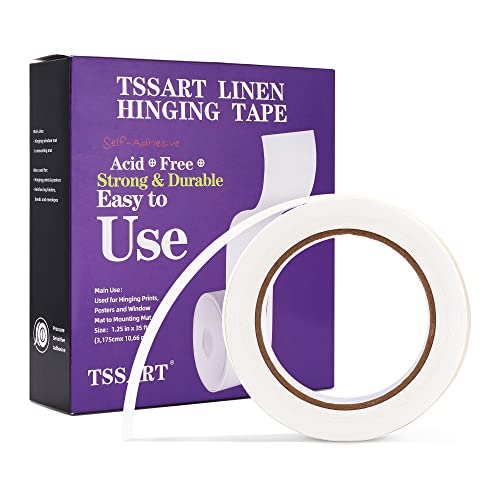
TSSART Linen Hinging Tape is a self-adhesive hinge tape made from quality linen fabric. It is bendable and durable, enabling fast setup for framing prints. The fabric fibers are woven for strength and archival quality, with a removable backing that helps measure the exact length you need. This tape is best for hinging prints, posters, and window mats to mounting mats, as well as binding books where a light, reversible hinge is preferred. Best for archival projects when you want a traditional hinge that won’t yellow over time. Limitation: not ideal for very heavy or high-tension mounting projects where a stronger adhesive is required.
Lineco Reverse Wound ATG Tape

Lineco’s Reverse Wound Acid Free 2 mil adhesive transfer tape is designed for mounting in picture framing and other materials. It’s a trusted archival option from a leading brand, featuring a clear solvent acrylic adhesive and strong yet flexible performance for paper, wood, plastics, and metals. This tape is better for general mounting tasks where an acid-free, archival-grade bond is required. Caution: use with a clean, smooth surface to ensure consistent adhesion and avoid embedding dust or fibers into the adhesive.
EZlifego Double Sided Tape

EZlifego offers a nano-tech, clear mounting tape with strong 2-way adhesion. It’s designed for easy, tool-free mounting on smooth indoor surfaces and can be cut to size. It performs well for lightweight prints and crafts, providing a residue-free removal experience. Best for quick fixes, temporary displays, or projects where you might need to reposition items. Limitation: longer-term heavy-load mounting may require a stronger or specialized tape.
Scotch-Mount Indoor Double-Sided Tape
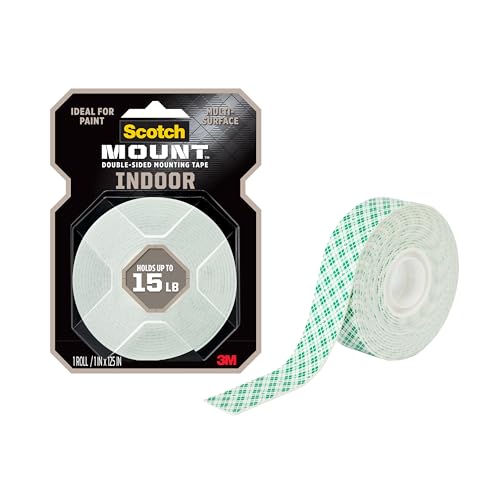
Scotch-Mount Indoor Double-Sided Tape features 3M industrial-strength adhesive and a strong bond for painted drywall and other interior surfaces. It can hold substantial weight and is versatile for mounting posters, prints, and art pieces. Best for interior displays where a robust, clean bond is required. Caution: avoid exterior use or surfaces with dust, moisture, or flexible finishes that may reduce adhesion over time.
Lineco Archival Self-Adhesive Abaca Paper Hinging Tape

Lineco’s archival abaca paper hinging tape is designed to attach mats to backboards and hinge large or heavy artwork. It uses non-yellowing, pH-neutral adhesive and is acid-free, reducing eventual discoloration over time. This option is ideal for conservation-minded framing where the hinge needs to be removable with mineral spirits. Choose this for heavier or more valuable pieces that require long-term archival stability. Limitation: its hinge strength is tied to paper-based backing, which may differ in durability from fabric hinges in some applications.
Buying Guide
What mounting goal do you have? Hinging vs. double-sided mounting vs. hingeless mounting all differ. For archival framing, choose linen or paper hinges with acid-free adhesive. For faster DIY projects, a strong double-sided tape can save time but may show through on very thin prints. Size and weight matter: heavier artwork benefits from industrial-strength or archival tapes designed for mounting mats and backboards. Surface type also matters: smooth, clean indoor surfaces work best for most tapes, while rough or dusty surfaces may require prep or stronger adhesives.
Key considerations to compare before buying:
- Archival quality: acid-free, non-yellowing, and neutral pH materials preserve prints over time.
- Removability: reversible hinges or tapes prevent damage during re-framing or re-matting.
- Surface compatibility: some tapes work better on paper, glass, or painted drywall; choose accordingly.
- Load capacity: heavier pieces may require higher bond strength or mechanical support.
- Ease of use: backing removal, measurability, and clean application reduce handling damage.
FAQ
- What is hinging tape best used for in framing prints?
It creates a reversible hinge to attach artwork to mats or mounting boards without applying pressure directly to the print surface. - Is archival tape necessary for all prints?
For long-term preservation or valuable works, archival-grade tapes minimize yellowing and acid damage. - Can I use double-sided tape for heavy prints?
Yes, but check the load rating and consider supplemental support for heavier pieces. - What surface should I prepare before applying tape?
Ensure surfaces are clean, dry, and smooth; dust, moisture, or uneven texture reduces adhesion. - Which tape is easiest to remove later?
Linen hinges and some abaca or acid-free tapes are designed for easier removal with minimal surface impact. - Are there any tapes to avoid for prints with glossy coatings?
Some adhesives can leave residue or lift coatings; test a small area first or choose a tape rated for glass or acrylic surfaces.