Answering the common question of how to tackle calcium buildup in toilets, this guide highlights five effective products that address hard water rings, lime scale, and rust. Designed for different types of buyers, the list includes chemical cleaners for frequent, quick upkeep and pumice-stone tools for heavy surface deposits. The following options help homeowners, renters, and DIY cleaners choose the right approach based on staining severity and preferred cleaning method.
Summary of Selected Products:
- Zep Acidic Toilet Bowl Cleaner, 32 Oz — Best overall for strong mineral buildup in regular toilets.
- Lysol Lime & Rust Toilet Bowl Cleaner Liquid — Best for deep stains with clinging gel for extended contact.
- 4TH Pumice Stone for Toilet Bowl Cleaning — Best for heavy mineral deposits without chemicals.
- WUKALAKA Pumice Stone for Toilet Cleaning — Best for versatile, non-scratch cleaning on multiple surfaces.
- Laiyeoy Toilet Bowl Cleaner Pumice Stone — Best 2-pack option for long-term pumice cleaning with ergonomic handle.
Zep Acidic Toilet Bowl Cleaner, 32 Oz

Best for frequent, thorough cleaning of mineral buildup in standard toilets. Features indicate a strong acidic formula designed to dissolve hard water scale and deposits, improving bowl clarity with reduced scrubbing times. This option suits users who prioritize quick, robust chemistry over mechanical scrubbing.
Best for: Homeowners with persistent mineral stains, or renters needing reliable weekly maintenance. Why selected: High-solution efficacy on calcium and lime-scale buildup, with straightforward application. Caution: Avoid mixing with bleach or ammonia to prevent hazardous gases.
Lysol Lime & Rust Toilet Bowl Cleaner Liquid
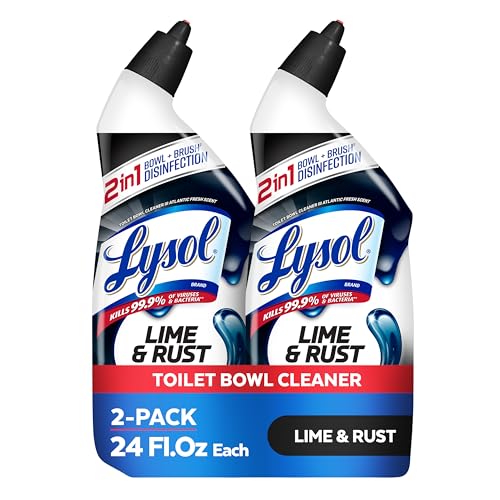
Best for tackling lime scale, rust, and hard water stains with a clinging gel that covers under the rim. This product also claims disinfectant and deodorizing benefits, making it suitable for bathrooms needing a disinfectant boost in addition to stain removal.
Best for: Bathrooms with visible mineral rings and a need for a disinfectant clean. Why selected: Gel clings to surfaces, promoting deep stain dissolution with less scrubbing. Caution: The concentrated gel can be slippery when spilled; use care around the bowl rim and surrounding surfaces.
4TH Pumice Stone for Toilet Bowl Cleaning

Best for heavy mineral deposits without chemical cleaners. The pumice stone physically removes hard water rings, calcium buildup, and rust. It’s a durable option for users who prefer mechanical cleaning and want to avoid chemical exposure.
Better for: People dealing with stubborn mineral rings that persist after chemical treatments. Why selected: Direct removal of hard scale with a non-scratch surface when used properly. Caution: Test on a small area first; do not use on glossy or delicate finishes; keep stone and toilet wet during use to prevent scratching.
WUKALAKA Pumice Stone for Toilet Cleaning

Best for versatile, non-scratch cleaning across multiple bathroom surfaces. This pumice stone is positioned as an all-round tool capable of removing calcium deposits and hard-water rings from toilets, sinks, tiles, and even grills or ovens when needed.
Choose this if: You want a single tool that handles multiple surfaces. Why selected: Non-toxic, eco-friendly material and ergonomic design. Caution: Use with a damp surface and keep away from delicate finishes to prevent micro-scratches.
Laiyeoy Toilet Bowl Cleaner Pumice Stone — 2Pack

Best value two-pack pumice option for ongoing calcium and lime scale removal. The ergonomic handle facilitates extended cleaning sessions, and the natural pumice composition aims to minimize scratches while removing tough buildup.
Best for: Budget-conscious buyers who want long-term pumice cleaning with ready replacements. Caution: Test first on a small area to confirm surface compatibility; ensure stones are kept dry between uses to prevent deterioration.
Zep Home Pro Pro-Strength Stain Eliminator Toilet Bowl Cleaner
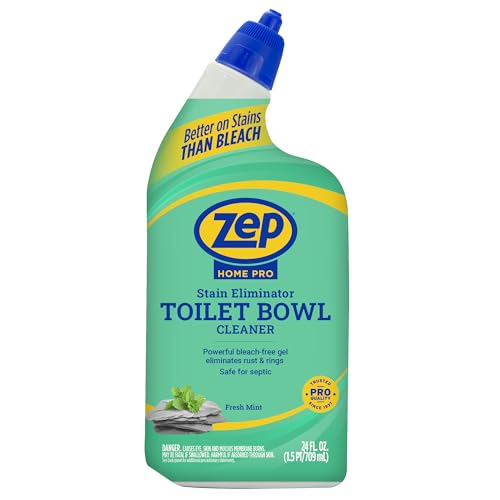
Best for professional-strength demand, including persistent lime-scale and rust stains. The thick formula clings to surfaces, extending contact time for effective stain removal. This option complements regular maintenance routines and is suitable for heavy-duty cleaning tasks.
Better for: Regular cleaning routines requiring durable, long-contact cleaning action. Why selected: Targeted formula for maximum stain contact. Caution: Use as directed to avoid over-concentration on delicate finishes; avoid mixing with other cleaners that may disrupt the gel’s consistency.
Buying Guide: Calcium Buildup Solutions
- Assess staining severity: Light buildup may respond to gels and liquids; heavy calcification often needs mechanical action (pumice stones).
- Choose chemistry vs. abrasion: Chemical cleaners dissolve mineral deposits; pumice stones physically remove them. Consider a two-step approach for stubborn cases.
- Surface safety: Test on a hidden area first; abrasives can scratch porcelain or coatings. Use gentle pressure and keep surfaces wet.
- Contact time matters: Gels that cling and liquids with a longer contact time typically require less scrubbing.
- Maintenance frequency: For renters or busy households, routine maintenance with a gel cleaner can prevent heavy buildup.
- Health and safety: Follow label directions; avoid mixing cleaners, especially with ammonia or bleach, to prevent harmful fumes.
Frequently Asked Questions
- What is the easiest way to remove calcium buildup from a toilet?
- Are pumice stones safe for ceramic toilets?
- Can I use these products on septic systems?
- How often should I clean hard-water stains?
- What should I avoid mixing with toilet bowl cleaners?
- Which option is best for renters?
The easiest approach is a gel-based cleaner that clings under the rim, paired with a pumice stone for stubborn deposits. Start with a chemical cleaner, then use a pumice stone if needed, following safety guidelines.
Yes, when used wet and with light pressure. Test first on a small area to ensure no scratching or dulling of the glaze.
Many are labeled as septic-safe; always check the product details and avoid harsh chemical combinations that can disrupt septic tanks.
Regular cleaning once a week can prevent heavy buildup, with more frequent cleaning in areas with hard water.
Avoid mixing with bleach, ammonia, or other household cleaners to prevent toxic gases and reactions.
For renters, a clinging gel cleaner paired with a pumice stone for spot treatment offers powerful results with minimal scrubbing and lower risk of surface damage.