Answering the common buyer need for a tidy, safe, and professional-looking entertainment setup, these TV cable management boxes and in-wall kits help hide cords, protect cables, and reduce clutter. The top picks below are suited for different spaces—rental apartments, home theaters, desks, and living areas—so you can choose the right approach for your setup. Use these options to create a polished AV area, whether you’re mounting a flat-screen, organizing a home office, or concealing a power strip behind furniture.
Overview of selected products (quick reference):
| Product | Best For | Why Pick | Limitations |
|---|---|---|---|
| Mount-It! In-Wall Cable Concealer Kit | In-wall concealment with recessed power | Professional look, easy DIY, supports multiple cables | Requires drywall cutting; not a permanent electrical install |
| D-Line Large Cable Management Box | Desk and floor cord hider for living rooms or offices | UK-built quality, multiple entry points, stylish design | May be bulky for small desks; needs sufficient floor space |
| Naeety 2 Pack Large Cord Boxes | Under-desk and living room cable organization | Two sizes with extras (clips, ties, fabric sleeve) | Wooden-style lids may clash with certain decors |
The following sections profile five products in depth, highlighting who should buy each, why they stand out, and practical cautions to consider before purchasing.
Mount-It! In-Wall Cable Concealer Kit
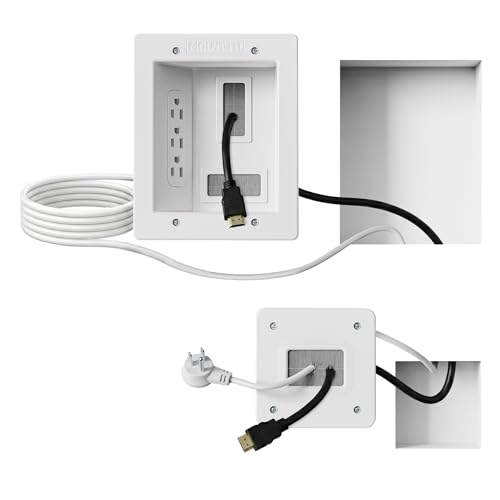
What it is: An in-wall cable management kit with a recessed power outlet, 9-foot cord, and a drywall-cutting kit to help hide HDMI, Ethernet, and A/V cables. Best for living rooms or bedrooms seeking a clean, modern look for wall-mounted TVs or home theaters.
Why it’s selected: This kit supports a neat, professional appearance by routing wires behind the wall and providing a dedicated power outlet. It’s especially suitable for renters or homeowners who want a non-permanent solution that still delivers a pro-like finish. The included saw and template simplify installation, and the kit accommodates multiple cables without visible clutter.
Who it’s best for: Homeowners or renters wanting an in-wall solution that looks clean and minimizes visible cords around a TV or media console. Ideal for wall-mounted TVs and compact home theaters where wire visibility is a priority.
Limitations to note: This is a plug-in system (not hard-wired), so it requires access to a standard outlet and drywall modifications. A professional electrician is not required, but ensure wall depth accommodates the recessed box.
D-Line Cable Management Box, Large

What it is: A large, black cable management box designed to hide power strips and excess cables, with multiple rear entry/exit slots and a stylish rounded design.
Why it’s selected: It excels at reducing visual clutter on desks or floors by concealing bulky power strips and cords inside a single enclosure. The design supports a neat, unobtrusive look and reduces tripping hazards by keeping cables out of sight.
Who it’s best for: Offices, living rooms, or study areas where under-desk or floor-level cable concealment is needed and a UK-made aesthetic fits the décor. Suitable for homes with multiple devices like PCs, monitors, and gaming setups.
Limitations to note: It covers standard power strips but may be too small for oversized power bars or a high density of plugs. Remember to allow for ventilation and easy access when placing inside the box.
2 Pack Large Cable Management Box – White

What it is: A two-pack set including large and medium boxes plus a cable cover box, plus accessories (cable ties, clips, fabric sleeve) for comprehensive cable organization.
Why it’s selected: The bundle approach helps tackle clutter across different areas—under desks, behind TVs, and around workstations—offering a cohesive look with complementary lids and storage capacity.
Who it’s best for: Households or small offices seeking an all-in-one solution for multiple rooms or zones. Particularly useful for users who want to color-match with white furniture or walls.
Limitations to note: Wooden-styled lids can influence the overall look in rooms with a distinct finish. Ensure lid height and footprint fit your space without impeding movement.
Naeety Cord Management Box with Clips & Ties
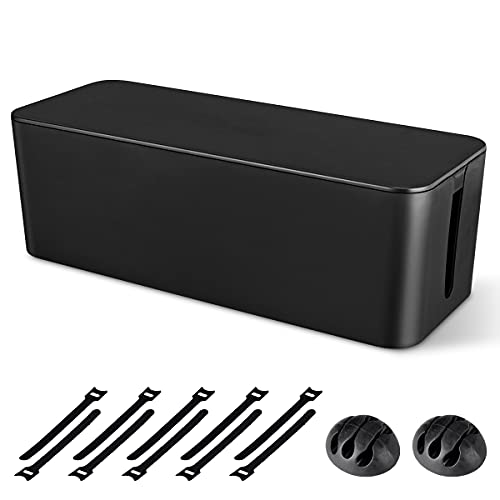
What it is: A large cord organizer box designed to hide a power strip and cables under desks or along walls, with included clips and reusable ties for cable management.
Why it’s selected: This all-in-one set helps maintain order by providing a dedicated box plus add-ons to secure and route cables cleanly, reducing visible clutter around workstations or media centers.
Who it’s best for: Home offices, living rooms, or bedrooms where you want a straightforward, cost-effective way to manage multiple cords without sacrificing access to devices.
Limitations to note: The box is primarily a concealment solution rather than a heavy-duty, high-traffic organizer. Ensure cables fit inside comfortably to avoid overpacking the box.
LiTY Acacia Wood Cable Management Box
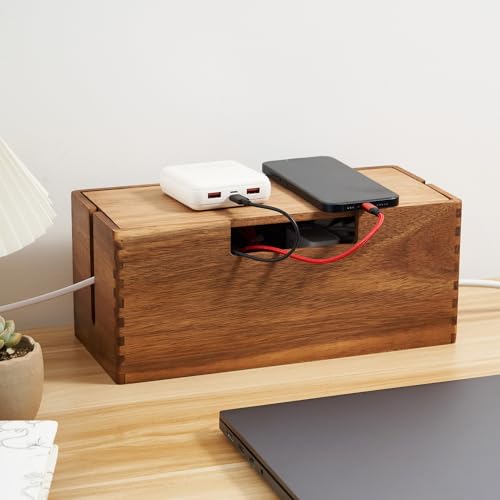
What it is: A wooden cord organizer box crafted from acacia wood with a magnetic lid, ventilation slots, and space for power strips and surge protectors.
Why it’s selected: This option blends natural wood aesthetics with practical cable routing, making it a good fit for living rooms or offices where décor matters as much as function. The magnetic lid supports quick access for maintenance.
Who it’s best for: Buyers seeking a high-end, timber-look solution that hides clutter while preserving airflow and easy access to plugs behind a TV stand or desk.
Limitations to note: Wood-enclosed boxes can be heavier and may require more careful placement than plastic boxes. Ensure the lid and ventilation align with your devices’ heat output.
Buying Guide: Key Purchase Considerations
What type of cable management do you need? For wall-mounted TVs or built-in aesthetics, in-wall kits with recessed outlets offer the cleanest look but require drywall work. For desks or floors where installation depth is limited, surface boxes and cord covers provide flexible, non-permanent options.
How much space do you have? Measure the area around your TV stand, desk, or entertainment center. Large boxes improve hiding capacity but can crowd small spaces. Consider multi-box sets if you have several zones to manage.
What cables and devices will you hide? If you primarily conceal power strips, look for a box with adequate depth and ventilation. If you need to route HDMI, Ethernet, and AV cables through walls, choose solutions that offer multiple cable entry points and proper grommets or clip systems.
Material and appearance: Plastic boxes tend to be affordable and lightweight, while wood or wood-look boxes offer a premium aesthetic. Ensure the finish matches your furniture and room style to maintain a cohesive look.
Safety and accessibility: Ensure there is adequate airflow for power strips to prevent overheating. For households with children or pets, consider boxes with secure lids and mounted placements to reduce tipping hazards.
FAQ
- Are in-wall cable kits difficult to install? In-wall kits with a recessed outlet are designed for DIY installation in many cases, using provided templates and a drywall saw. They require careful measurement and basic tools; following the included instructions is essential.
- Can these boxes hold large power strips? Most large boxes are designed to accommodate standard power strips and multiple cables. Check internal dimensions to confirm compatibility with your specific model.
- Will wooden boxes overheat cables? Wooden or wood-look boxes include ventilation features to reduce heat buildup. Avoid overpacking and ensure air can flow freely around power strips.
- Do cable boxes reduce tripping hazards? Yes, concealing cords in hard-to-reach containers minimizes trip hazards and keeps floors clear around desks and entertainment centers.
- Is there a best option for renters? For renters, non-permanent surface boxes or cable sleeves are typically preferred. In-wall kits are possible but require more planning and may impact drywall if you relocate.
- Can I repaint or customize the look? Many boxes support neutral finishes or can be integrated with existing decors. If repainting, ensure the material allows for safe refinishing without affecting vents or access panels.