Whether you’re dusting off sawdust, handling liquids, or keeping a busy shop floor clean, a capable vacuum system is essential. This guide highlights five reliable options suited for workshops, garages, and job sites. Best for durable, high-capacity cleanup; better for casual hobbyists; choose this if you need strong airflow and versatility; avoid this if you need ultra-compact storage. The selections balance power, portability, and ease of use to help you pick the right system for your workflow.
| Product | Type | Best For | Key Benefit |
|---|---|---|---|
| Shop-Vac 12 Gallon 6.0 Peak HP Stainless | Wet/Dry Vacuum | General workshop cleanup | Durable stainless steel with drain port |
| Mullet Cyclone Dust Collector | Dust Collector | Fine dust control | Separates fine dust from debris |
| WEN DC1300 Dust Collector | Dust Collector | High airflow | 1,300 CFM with dual inlets |
| WEN DC3401 Dust Collector | Dust Collector | Compact, portable | 12-gallon bag, mobile base |
| Bissell Garage Pro | Wall-Mounted Wet/Dry Vacuum | Garage organization | Wall-mount saves space with blower option |
Shop-Vac 12 Gallon 6.0 Peak HP

Best for heavy-duty, bucket-style cleanup with a drain port for easy liquid disposal. Suited for job sites, garages, and workshops needing reliable wet/dry suction with durable stainless steel construction.
Mullet Cyclone Dust Collector

Best for reducing filter clogs and extending vacuum life. Ideal for shops with fine dust and bulky debris; compatible with most shop vacs via adjustable, cut-to-fit PVC connections. One limitation is setup complexity for first-time users.
WEN DC1300 Dust Collector

Best for high airflow before tools, allowing multiple tools to run simultaneously. This model delivers up to 1,300 CFM and features dual 4-inch inlets for flexible tool connections. Best for bigger shops needing strong dust control across machines. Limitation: requires adequate space for the 50-gallon bag and a sturdy base.
WEN DC3401 Dust Collector

Best for portable, compact cleaning with solid capacity. The 12-gallon bag and mobile base make relocation easy, and the 6-inch impeller helps move air efficiently. Choose this if you need a balance of power and mobility; avoid if you require very large capacity on wheels.
Bissell Garage Pro Wall-Mounted
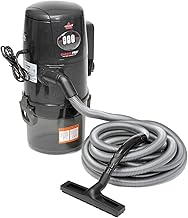
Best for space-constrained garages with integrated tool kit and wall mounting. Converts to a blower and comes with a robust set of attachments. Limitation: wall mount requires appropriate mounting area and may limit repositioning.
Buying Guide: Key Purchase Considerations
What size vacuum do I need for my workshop?
Consider the volume of debris and whether you primarily handle liquids or dry materials. Wet/dry models with larger canisters or bags reduce frequent emptying.
Should I choose a dedicated dust collector or a general shop vacuum?
Dust collectors excel at continuous tool-inlet dust capture and higher airflow for carpentry tools. Shop vacuums are versatile for spills and quick cleanup.
How important is portability and space?
Mobile bases, wheels, and compact footprints improve maneuverability in tight spaces. Wall-mounted units save floor space but reduce relocation flexibility.
What about filtration and bag capacity?
Higher-capacity bags and efficient filtration reduce maintenance and improve air quality. Check for easily replaceable bags and compatible filter types.
What safety features should I look for?
Consider a model with thermal protection, secure canisters, and cords long enough to reach your workbench without stretching.
Practical Comparison Tips
- Best for heavy, mixed cleanup: Shop-Vac 12 Gallon with a drain port.
- Best for dust-prone shops: Mullet Cyclone Dust Collector to protect filters.
- Best for high-demand shops: WEN DC1300 for maximum airflow and dual inlets.
- Best for small, mobile setups: WEN DC3401 with a compact 12-gallon bag.
- Best for space-saving garages: Bissell Garage Pro wall-mounted with tool kit.
Frequently Asked Questions
- What is the difference between a dust collector and a shop vacuum?
A dust collector focuses on capturing dust from woodworking tools at the source and typically provides higher CFM, while a shop vacuum is a versatile cleaning tool for spills and debris. - Can I use a dust collector in a small shop?
Yes, but ensure adequate space and proper ducting to maintain airflow and reduce noise indoors. - Is a higher CFM always better?
Higher CFM improves capacity to move air, but the system should match your tools and space to avoid unnecessary noise and energy use. - Do these units require extra filters or bags?
Most models use replaceable bags or filters; check compatibility and replacement frequency to manage maintenance. - Are wall-mounted units suitable for frequent reorganization?
Wall-mounted units save floor space but are less flexible for repositioning across a workshop.