Water spots, rings, and hazing on wood can dull furniture and fixtures. This guide highlights effective water spot removers for wood, from reusable cloths to concentrated sprays and tannin removers. Each option targets rings, haze, and related blemishes while preserving the wood’s finish. Read on to compare methods, performance, and suitability for different wood types and finishes.
| Product | Brand | Notes |
|---|---|---|
| Guardsman Reusable Water Mark Remover Cloth | Guardsman | Reusable cloth, removes water marks and light marks |
| Impresa Wood Water Mark Remover Spray | IMPRESA | Oil-based formula, deep penetration, versatile |
| Bioclean Hard Water Stain Remover | Bio-Clean Products | Industrial-strength aerosol for hard minerals |
| WOCA Denmark Tannin Spot Remover | WOCA | Removes black tannin stains, safe VOC-free |
| Rubio Monocoat Tannin Remover Sample | Rubio Monocoat | Spot and stain remover, for sampling and touch-ups |
Guardsman Reusable Water Mark Remover Cloth
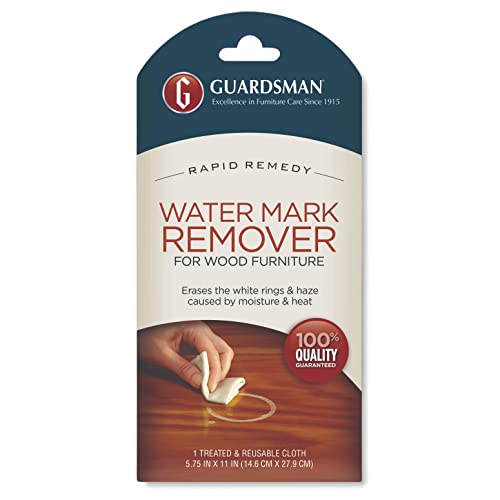
The Guardsman reusable cloth targets moisture and heat damage on wood. It quickly fades water marks and white rings, revealing the wood’s original beauty. Beyond removing marks, it can conceal surface scratches and minor blemishes. The cloth also assists with latex paint and many marker stains, reducing the need for more invasive refinishing. This 4 x 5-inch pad is designed for repeated use, as long as the cloth remains dry and not overly soiled.
Impresa Wood Water Mark Remover Spray

IMPRESA’s Water Mark Remover is a concentrated spray designed to rejuvenate wooden furniture. The oil-based formula penetrates deeply to erase water rings and restore natural luster. It doubles as a furniture polish and can be used on hardwood, veneer, and laminate without stripping the finish. A single application often delivers noticeable improvement, making it a practical choice for time-strapped households.
Bioclean Hard Water Stain Remover

This professional-grade hard water stain remover is designed to tackle years of mineral buildup on glass, tile, grout, and windows. While it’s marketed for hard surfaces, it’s popular for stubborn mineral stains on accessible wood finishes when used with care and ventilation. The aerosol format delivers a strong cleaning boost for problematic spots that resist milder products.
Guardsman Water Mark Remover Cloth

Another Guardsman option, this reusable cloth is designed to erase white rings and haze caused by moisture and heat. It also conceals surface scratches and removes latex paint and minor stains without stripping the finish. The 4 x 5 inch pad is convenient for quick touch-ups and repeated use as part of regular furniture care.
WOCA Denmark Tannin Spot Remover

WOCA’s Tannin Spot Remover addresses black stains from tannins on oak and similar woods. It is water-based and VOC-free, helping maintain indoor air quality while caring for waxed, oil-finished, or untreated wood. It targets old and new tannin-related marks on floors, furniture, and cabinetry without harsh solvents.
Rubio Monocoat Tannin Remover Sample

This sample offers a ready-to-use option for removing stains caused by tannins and acids in indoor wood. It’s suited for interior wooden surfaces and supports touch-ups on untreated, oiled, or waxed wood. The product is designed to help maintain the wood’s natural appearance while addressing persistent spots.
Buying Guide
- Wood type and finish: Oak, maple, pine, waxed, oiled, or polyurethane finishes respond differently. Test on an inconspicuous area first.
- Stain type: Water rings and tannin stains require different approaches. Oil-based removers can penetrate deeper, while water-based products are gentler on finishes.
- Product form: Cloths are ideal for quick spots; sprays offer deeper penetration; and samples or pastes can be precise for small areas. Choose based on the size of the affected area and care needs.
- Ventilation and safety: Aerosols and solvent-based formulas may require good airflow. VOC-free options are preferable for indoor use.
- Finish preservation: Look for products that restore rather than strip finishes. Reusable cloths help with non-invasive maintenance, while harsher chemicals may require re-sealing or refinishing.
- Application method: Follow instructions for application technique—gentle circular motions for pastes, or targeted spraying for spot removal. Avoid aggressive rubbing that can damage delicate surfaces.
- Testing protocol: Always test in a small, hidden area and observe for color change or finish dulling before broader use.
- Reusability and waste: Reusable cloths reduce waste and ongoing costs, but must be cleaned and stored properly to maintain effectiveness.
- Compatibility with finishes: Some products are better for hardwood, veneer, laminate, or coated surfaces. Cross-check compatibility with your furniture or flooring finish.
All products mentioned serve the core goal of removing water-induced marks from wood. When selecting a solution, balance potency with finish safety and the size of the affected area. For frequent touching up or minor blemishes, reusable cloths provide quick relief. For stubborn rings or old tannin stains, a targeted remover or a stronger solvent-based option may be necessary. Always apply with care and follow manufacturer guidelines to preserve the wood’s natural beauty.